A quick guide for the places most visitors use.
GUIDE
Tipping in Japan: Where, When and How
No tip needed. Here is what to do at restaurants, taxis, hotels and tours instead.
In short: Tipping is not expected in Japan. A local guide to restaurants, izakaya cover charges, taxis, hotels, ryokan and tour guides, with the polite way to say thanks.
- TIPPING
- Not expected
- SERVICE CHARGE
- Sometimes 10–15%
- CASH
- Handy to carry
- SAY
- Arigato gozaimasu
THE ANSWER
No need to tip
You do not tip in Japan. Restaurants, taxis, hotels, hair salons and shops all work the same way: the price you see is the price you pay, and good service is part of the job.
It can feel strange the first time, so here is how it works place by place, plus a few things that look like tips but are not.
PLACE BY PLACE
What to do at each stop
- Restaurants and cafés
- No tip. Pay at the register or the machine when you leave.
- Izakaya (pubs)
- No tip. A small "otoshi" cover charge, often ¥300–500, is added to the bill. It is a table charge, not a tip.
- Taxis
- No tip. Fares are metered and drivers open and close the rear door for you. To round up, just say you do not need the change.
- Hotels
- No tip for porters or housekeeping. Service is built into the room price.
- Ryokan (inns)
- No tip needed. A service charge is often included in the rate, so check your booking. The old custom of handing cash to the room attendant is not expected of visitors.
- Tour guides
- Usually not expected. A thank-you at the end is welcome, and many guides will politely refuse money.
- Hair salons and spas
- No tip. Prices are fixed.
High-end restaurants and hotel restaurants may add a 10–15% service charge. Check the bill: if it is already there, you do not add anything.
OTHER WAYS
How to show thanks instead
A sincere "arigato gozaimasu" (thank you) and a small bow or nod when you leave a shop is the polite way to say it.
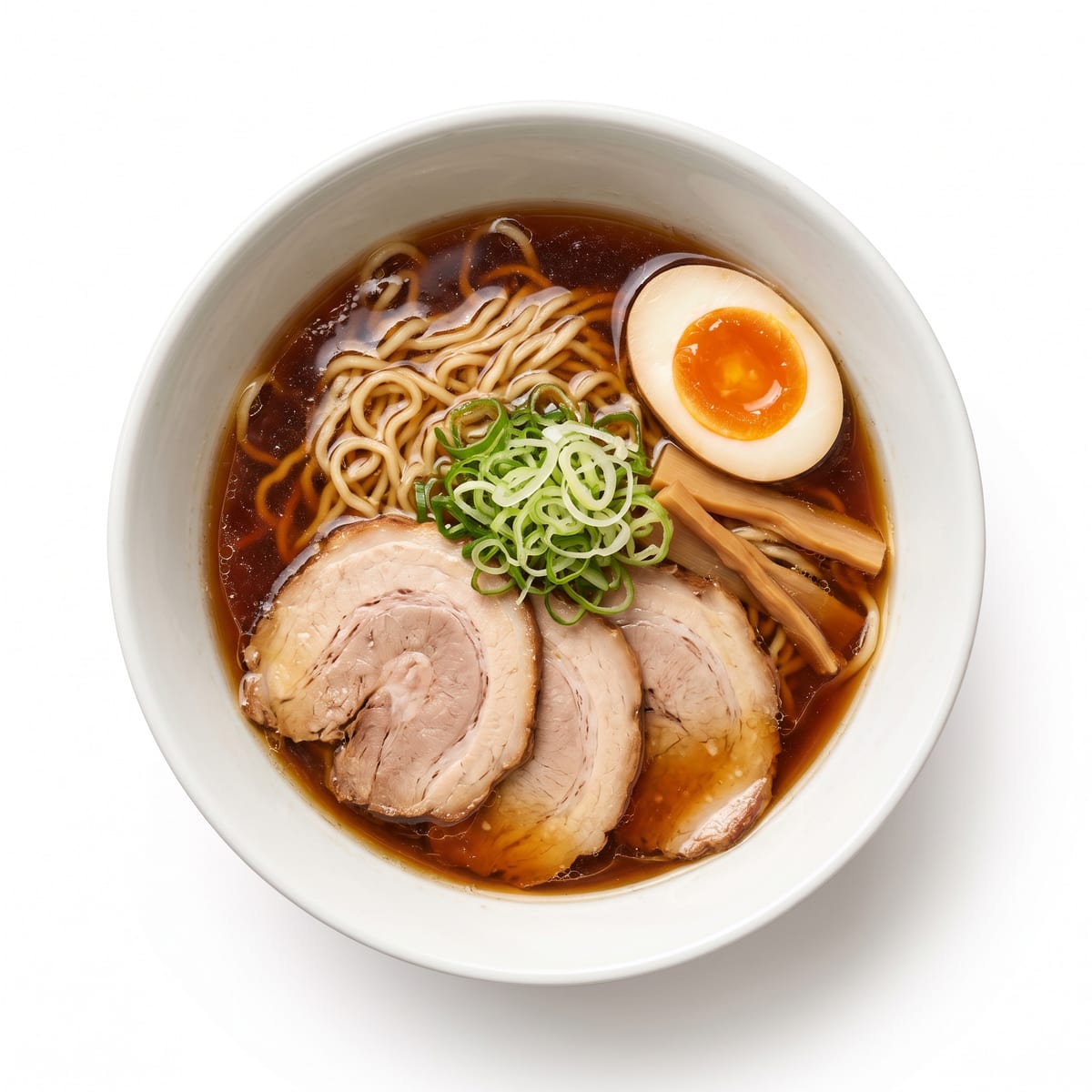
At a restaurant, saying "gochisousama deshita" ("thank you for the meal") as you leave is warm and always welcome. Staff will notice.
If you want to give something, a small wrapped gift from your own country is a nice gesture for a long-term host or a private guide. Keep it small. It is a thank-you, not a payment.
MONEY
Cash, cards and change
Cards and IC cards such as Suica and Pasmo are accepted at most chain stores, stations and many restaurants, but small shops, temples and some local eateries are still cash only.
Keep a few ¥1,000 notes and coins for vending machines, lockers and small shops. Convenience store ATMs accept most foreign cards.
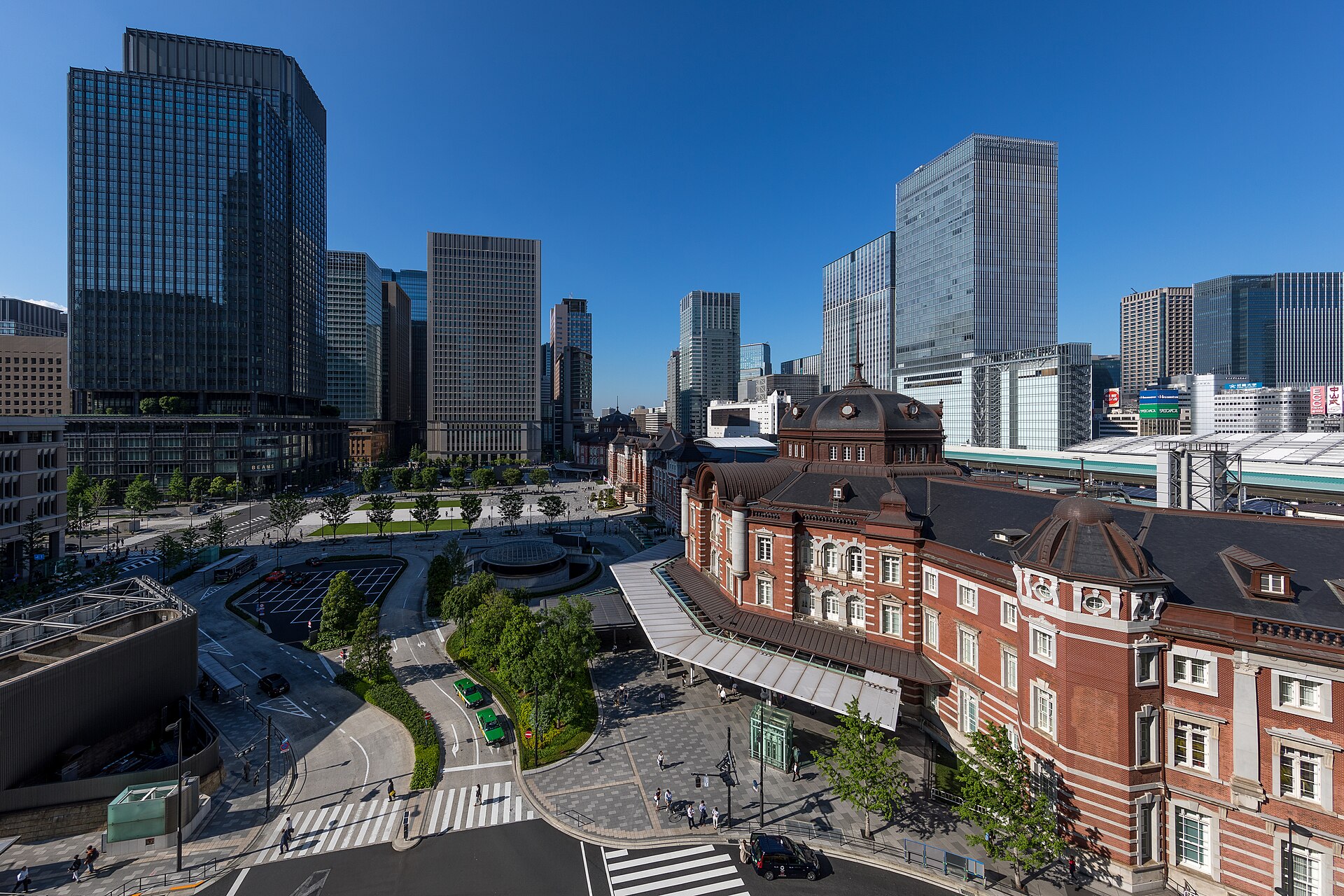
At tourist spots, a few places have a donation box. Giving there is optional and is not a tip.
FAQ
Quick answers
Is tipping rude in Japan?
Not rude, but unnecessary and sometimes confusing for staff. They may try to return the money.
What about tipping a private tour guide?
It is not expected. If you had a great day, a sincere thank-you or a small gift is enough, and some guides prefer that.
What is the extra charge on my izakaya bill?
It is the "otoshi" or table charge, which covers the small dish brought when you sit down. It is not a tip, and it is normal.
Do I tip at a ryokan?
No. The room rate and service charge already cover everything.
What should I say when I get my change from a taxi?
Just say "arigato gozaimasu". If you want to leave the small change, say you do not need it, but no tip is expected.
NEXT
Plan the rest of your trip
LOCAL GUIDES
→All guides