
GUIDE

How to Ride Trains in Japan: A First-Timer's Guide

IC cards, gates, train types, the Shinkansen and the unwritten rules, explained step by step.

In short: How to ride trains in Japan: get an IC card, use the ticket gates, pick the right train type, book the Shinkansen and follow the etiquette. A local's first-timer guide.

IC CARD
Suica / Pasmo / ICOCA
SHINKANSEN
Reserve a seat
LAST TRAIN
Around midnight
LUGGAGE
160 cm limit without a reservation
THE BASICS

Japan's trains are punctual, clean and everywhere. Once you know four things (the IC card, the gates, the train types and the manners), you can get across a city or the country without a guide.

This guide follows the order of a real trip: get a card, find your platform, ride, get out. It also covers the Shinkansen, since that is where most first-timers get nervous.

GET A CARD

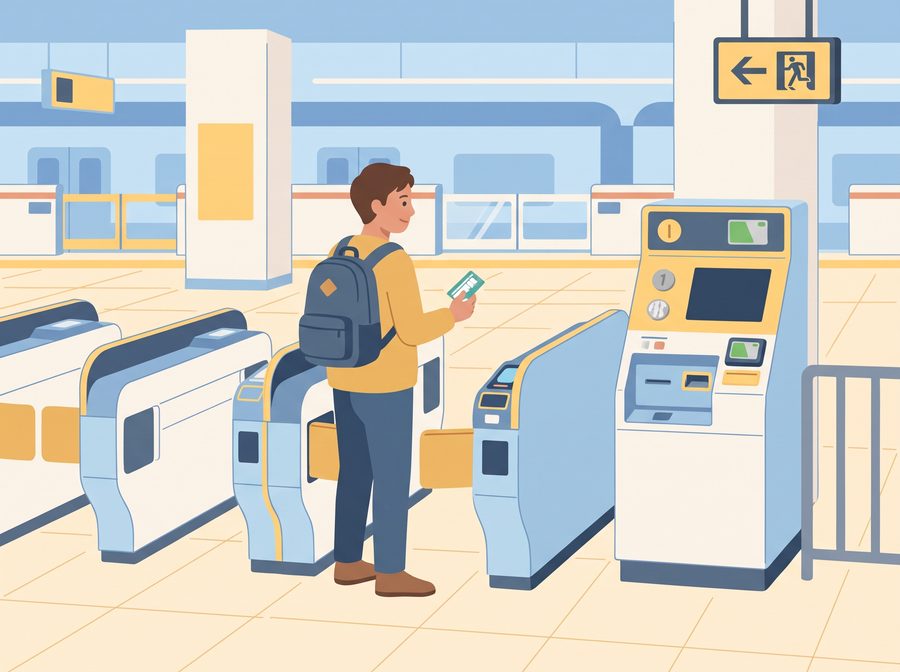
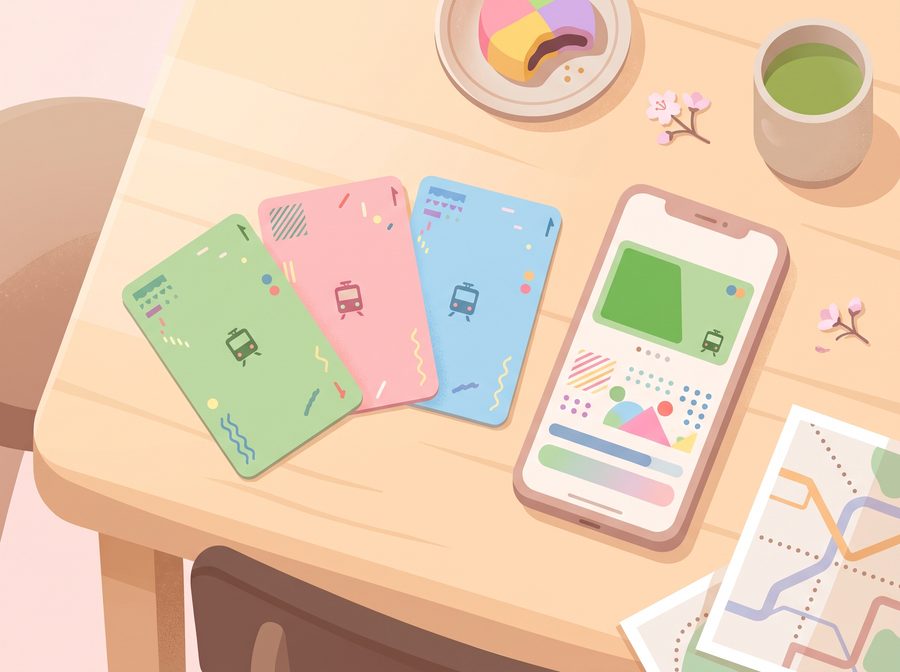
An IC card is a rechargeable tap-in, tap-out card. You touch it on the gate when you enter and again when you leave, and the right fare comes off automatically. It also works on buses, at vending machines and in most convenience stores.

Suica (JR East, Tokyo), Pasmo (Tokyo private railways and subways) and ICOCA (JR West, Kansai) are different brands, but they work almost everywhere in the country. You do not need a separate card for each city.

For visitors, JR East offers "Welcome Suica", a card with no deposit that is valid for a short period (28 days), sold at airports and major JR stations. On an iPhone you can also add a Suica or Pasmo to Apple Wallet, and Welcome Suica Mobile is an app version for visitors. Most foreign Android phones cannot use IC cards, so a physical card is the usual choice there.

Physical cards are topped up with cash at ticket machines. Keep the balance low at the end of the trip, because you cannot always get a refund for the unused amount on a visitor card.
STEP BY STEP
ROUTEA normal train ride, in six steps6 stops
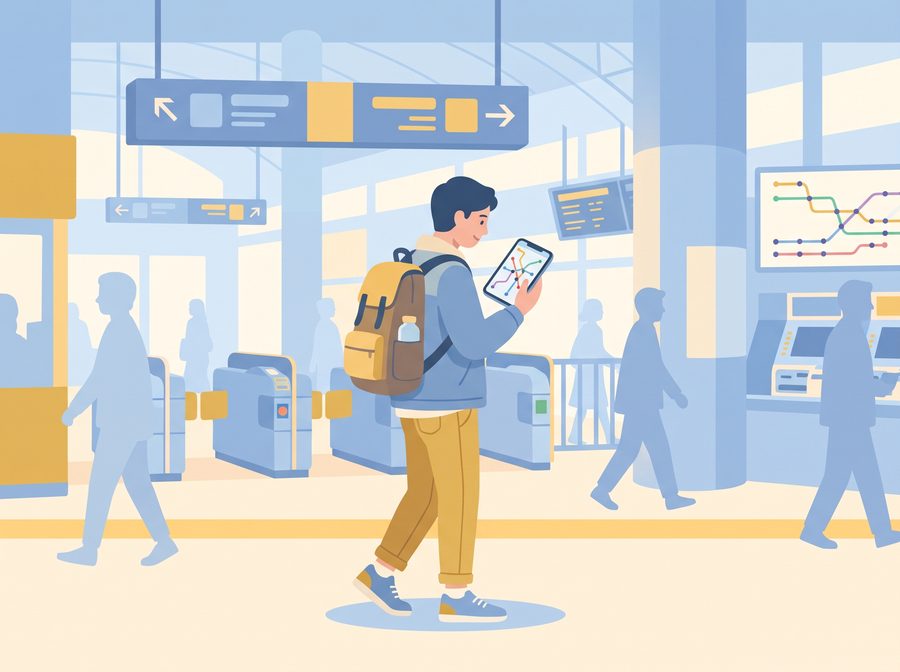
  1. Find your line and station

    STEP 1

    Find your line and station

    Search your destination in Google Maps and choose the transit tab. It tells you the line, where to change, the platform and the fare. Lines have names, colors and letters (for example G for the Ginza Line), and each station has a number such as G09, which is easier than reading kanji.

    Open in Google Maps →
  2. Tap in at the gate

    STEP 2

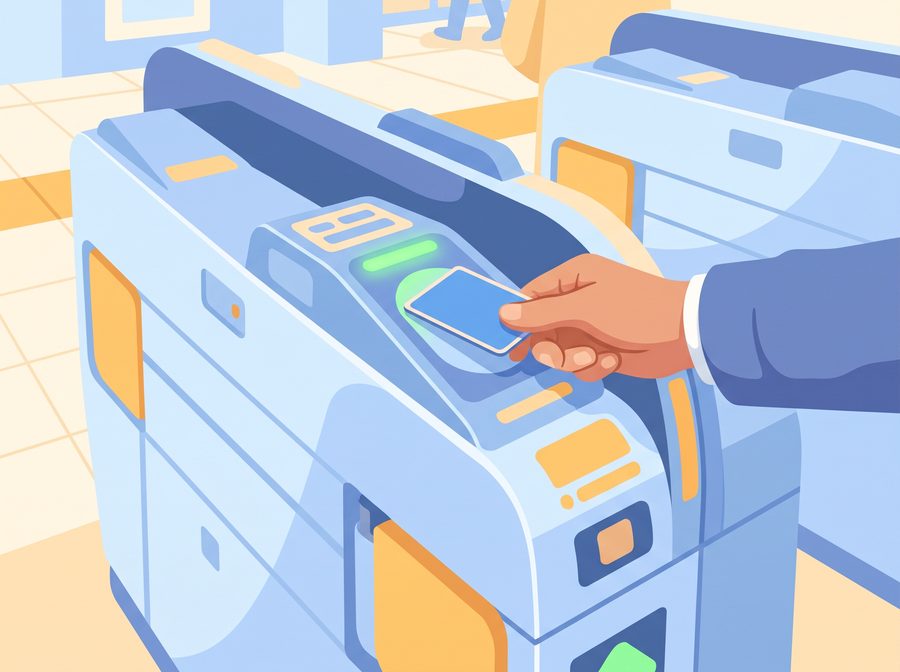
    Tap in at the gate

    Touch your IC card on the reader when the gate opens. A green light means you can go. If you have a paper ticket, insert it into the slot and take it back when it comes out the other side. Keep it, you need it to get out.

  3. Go to the right platform

    STEP 3

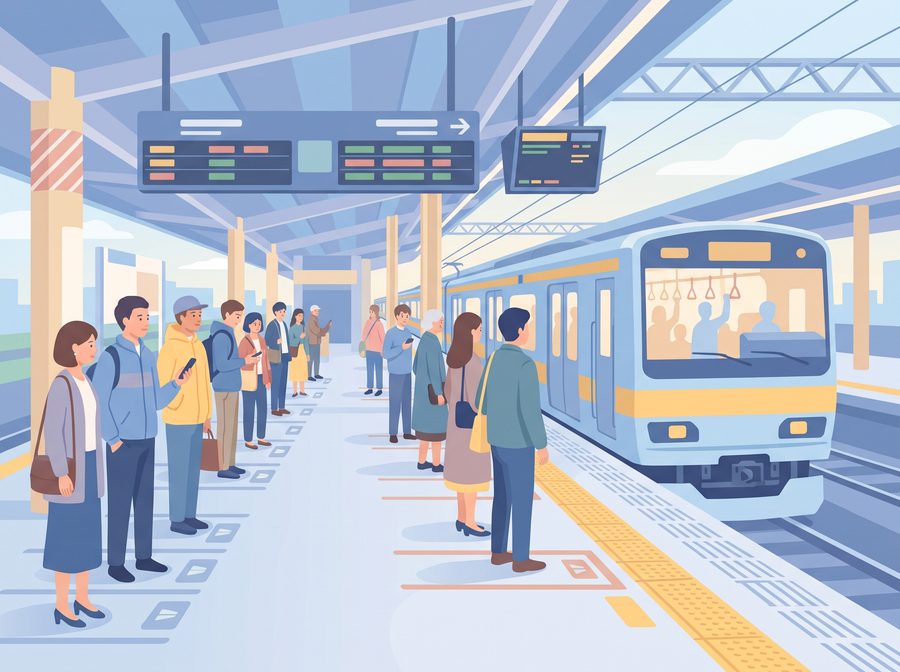
    Go to the right platform

    Signs show the line, the direction (by the last stop) and the train type. Check them twice, because the same platform can have local and express trains. Lines on the floor show where to queue. Let people get off first, then board in line.

  4. Ride quietly

    STEP 4

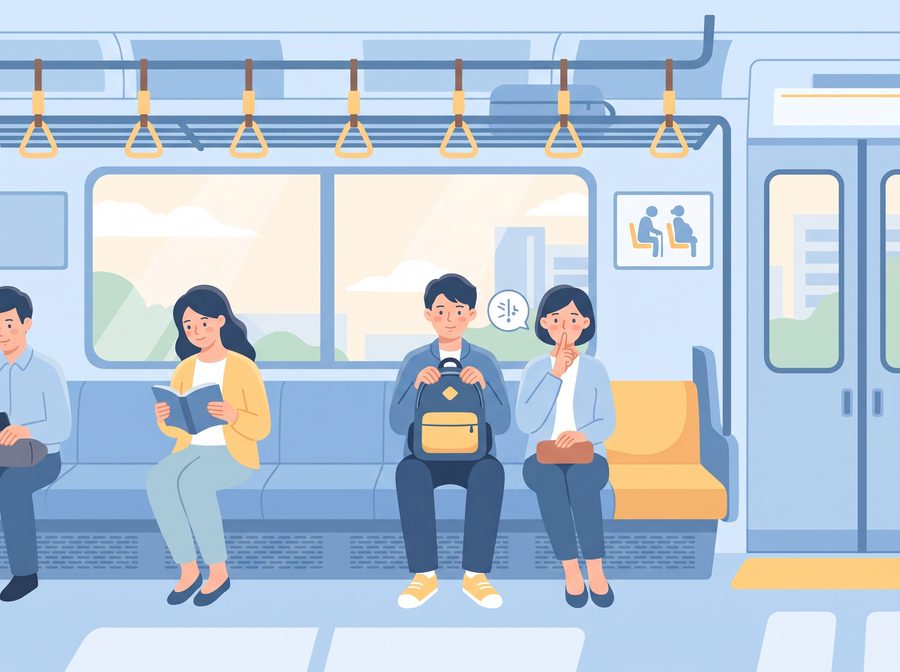
    Ride quietly

    Keep your voice low and put your phone on silent. Take off your backpack and put it in front of you or on the rack in rush hour. Give priority seats to people who need them.

  5. Check the station name

    STEP 5

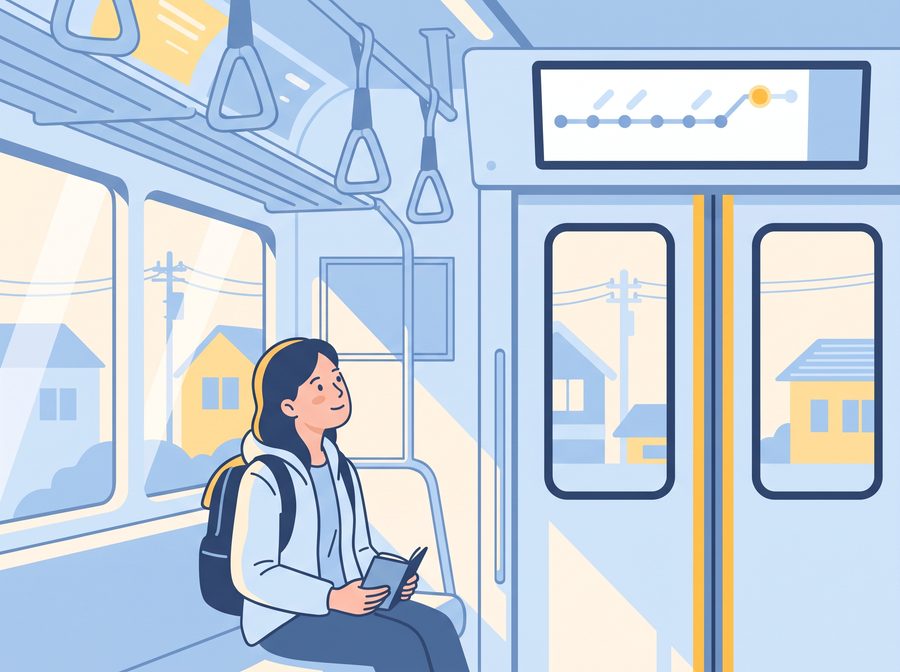
    Check the station name

    The screen above the door and the announcements show the next stop in Japanese and English. Know your stop and the exit you need. Big stations have many exits, and the right one can save a lot of walking.

  6. Tap out

    STEP 6

    Tap out

    Touch your card on the exit gate and the fare is taken. If the gate beeps or stays closed, your balance is short or you used the wrong gate. Use the fare adjustment machine nearby, or ask the staff.

TRAIN TYPES

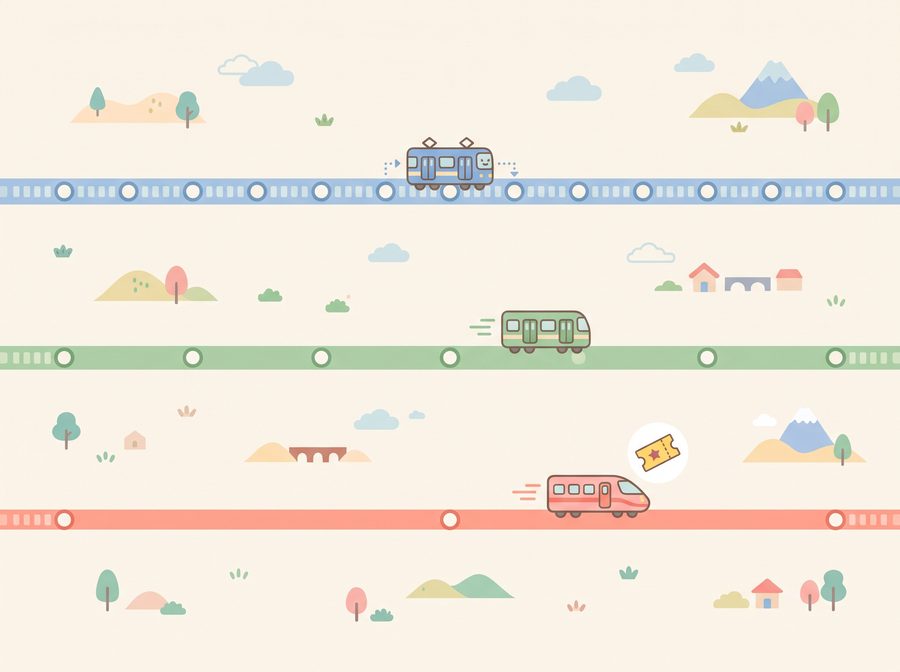
The same line can have several train types. Taking the wrong one only costs time, but this table helps you choose.

Local (futsu)
Stops at every station. Slowest but always correct for short rides.
Rapid / Express
Skips small stations. Faster for long rides. Check that your stop is on the list.
Limited Express (tokkyu)
Fast, with an extra fee. Some are all reserved seats, like the Odakyu Romancecar.
Shinkansen (bullet train)
The long-distance high-speed trains between big cities. Higher fare, comfortable seats.

On the platform sign, each train type has a color or label. Stand at the front of the line for the train type you want.

SHINKANSEN

You can book seats at ticket machines, ticket offices and, with a card, on the SmartEX or EX app. A reserved seat is the easiest choice: you have your own seat and no stress about boarding. Non-reserved cars are cheaper, but you may have to stand on busy days.

Luggage: on the Tokaido, Sanyo and Kyushu Shinkansen, a bag over 160 cm (length + width + height) needs a seat with an oversized-baggage area, which you must reserve in advance. Without one you may be charged an extra fee. Most carry-on suitcases are under the limit. The rule is different on JR East lines.

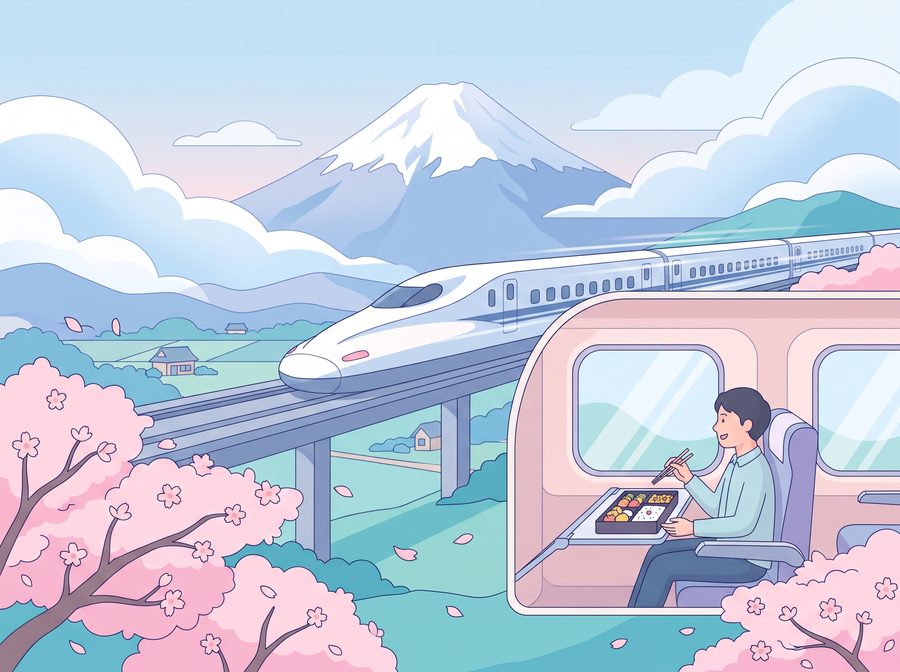
Heading west from Tokyo, the right side of the train (the E seats) is the best choice for a view of Mount Fuji on a clear day.

PASSES

Which one you need depends on your trip. Prices change, so check the official page before you buy.

IC card
Best for everyday rides in a city. No need to buy a ticket each time.
Single ticket
Buy from a machine at the station. Useful if you only ride once or have no card.
Japan Rail Pass
Only pays off with several long rides in a week or two. For one or two cities, individual tickets are often cheaper, so compare before you buy.
Regional passes
Good for one area, such as the Hakone Free Pass or the Tokyo Subway Ticket. See our Hakone guide for a worked example.

Japan Rail Pass prices are reported to have gone up in October 2026, and guides differ on the exact figures. Check the official site and compare the current price with the tickets you actually need.

MANNERS
Queue
Line up where the floor marks show. Do not stand in front of the doors.
Quiet
No phone calls. Talk softly. Use silent mode.
Priority seats
Keep these for the elderly, people with disabilities, pregnant women and people with young children.
Rush hour
Weekday mornings (about 7:30 to 9:30) are very crowded in Tokyo. Avoid them if you can, especially with luggage.
Eating
Not on commuter trains. It is fine on the Shinkansen and on long-distance trains.
Women-only cars
Some lines have them at certain hours. They are marked on the platform and on the car.
Last train
Trains stop around midnight. Check the last train time before dinner or a night out.
FAQ
Suica or Pasmo, which is better?

They work the same for visitors. Take whichever you can get. Both work in Tokyo, Osaka, Kyoto and most other cities.

Can I use my IC card outside Tokyo?

Yes, in most cities and on most trains and buses. A few rural lines are not covered. In that case you pay in cash.

What if I take the wrong train?

Get off at the next station and take the one going back. Check the destination on the platform sign. Nobody will mind.

Is a Japan Rail Pass worth it?

Only if you ride a lot of long-distance trains in a short time. For a trip based in one or two cities, compare the price of single tickets first.

What if I miss the last train?

Stay at a hotel nearby, take a taxi or wait for the first train in the morning (about 5 am). Some areas have 24-hour cafés and manga cafés.

NEXT

SmartEX (Shinkansen booking) · Japan Rail Pass: oversized baggage rules

LOCAL GUIDES
→All guides