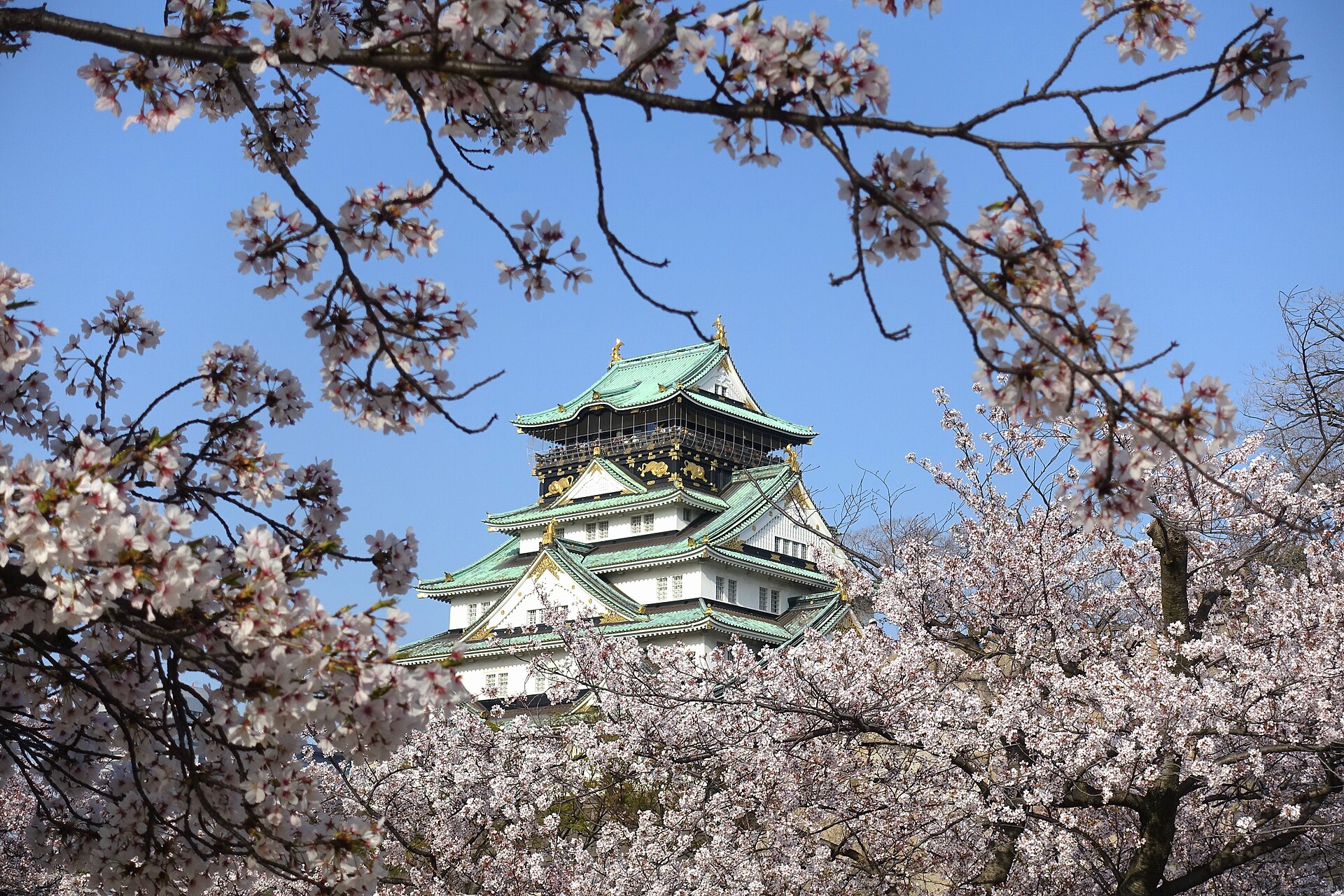
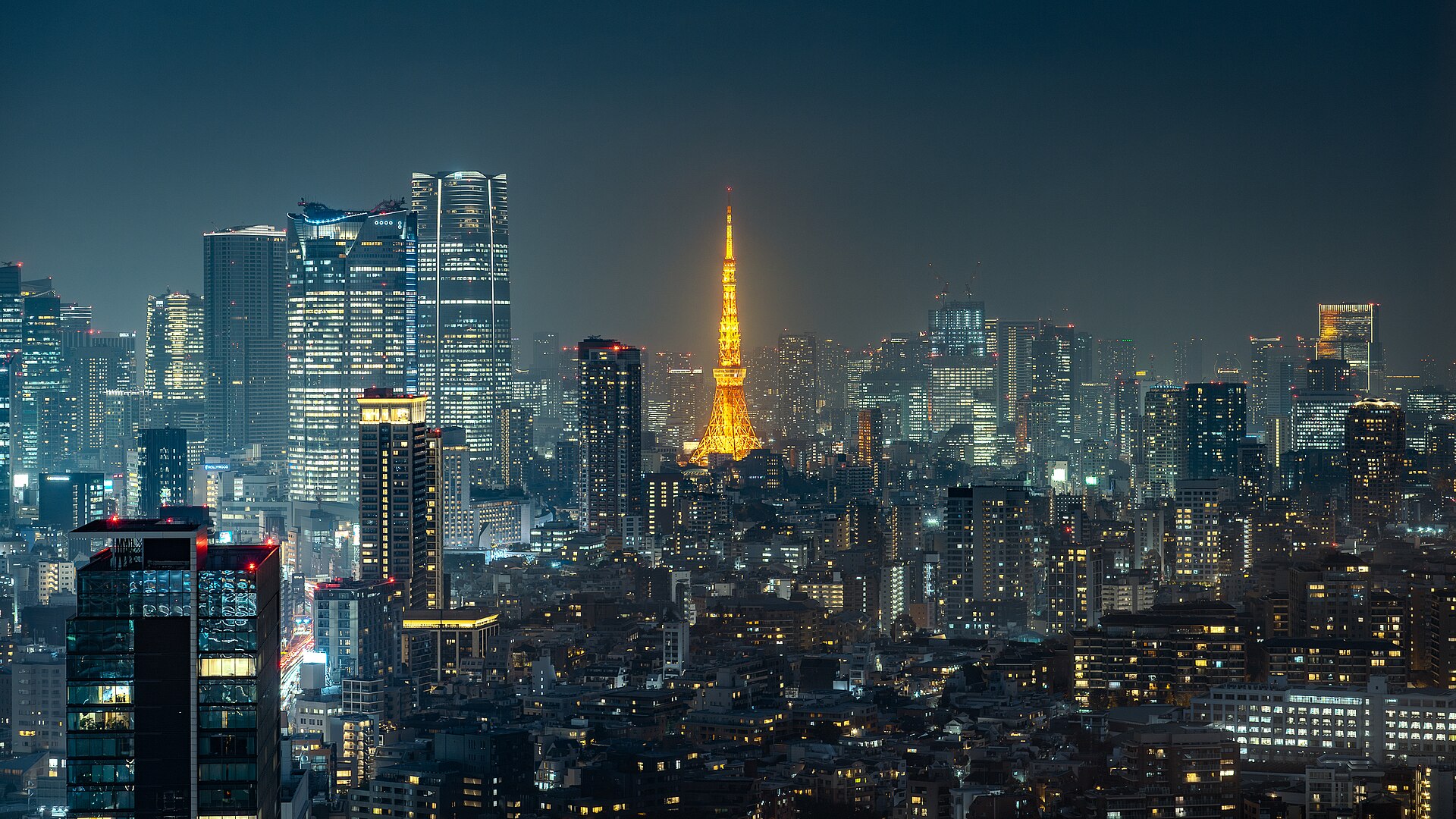
Osaka is one of the few places where you can eat a famous dish at the shop that is said to have invented it. These are worth a detour.
FOOD
What to Eat in Osaka: 8 Local Dishes and Where to Find Them
Takoyaki, okonomiyaki, kushikatsu and the rest, with the old shops that started them and a one-day eating route.
In short: What to eat in Osaka: takoyaki, okonomiyaki, kushikatsu, kitsune udon, 551 butaman and more, the historic shops behind each dish, rough prices, how to order, and a one-day food route through Dotonbori and Shinsekai.
- BEST AREAS
- Dotonbori, Shinsekai, Kuromon
- STREET FOOD
- About ¥500–1,000 a plate
- SIT-DOWN MEAL
- About ¥1,500–3,000
- PAYMENT
- Bring cash for small stalls
KUIDAORE
Eat until you drop
Osaka has a word for itself: kuidaore, "eat until you drop". For centuries this was the merchant city that fed Japan, and its food is still cheap, filling and made to be eaten standing up, with friends, a little loudly. Most of the dishes on this list cost less than a coffee in Tokyo.
Many of the classics were invented here, and several of the shops that started them are still open. This guide tells you what each dish is, where it began, where to try it, and how to fit the best of it into one day.
THE DISHES
The 8 dishes to try
ROUTEPrices are rough 2026 guides. Point at the picture menu if in doubt.8 stops
-
¥500–800
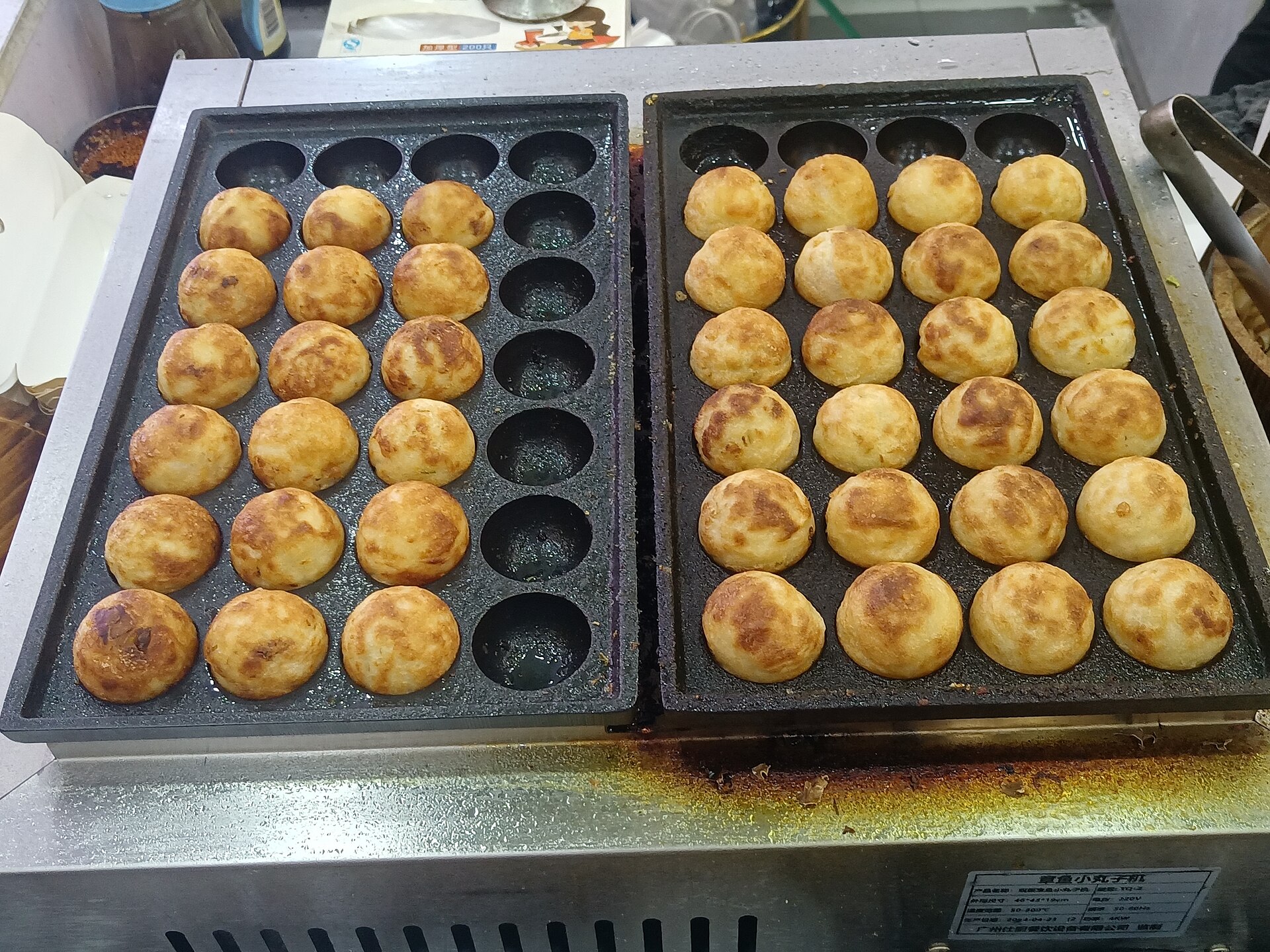
Takoyaki
Balls of batter with a piece of octopus inside, cooked in a round-holed iron pan and topped with sauce, mayonnaise, bonito flakes and seaweed. Crisp outside, almost liquid inside, so blow before you bite.
Open in Google Maps → -
¥1,000–1,800
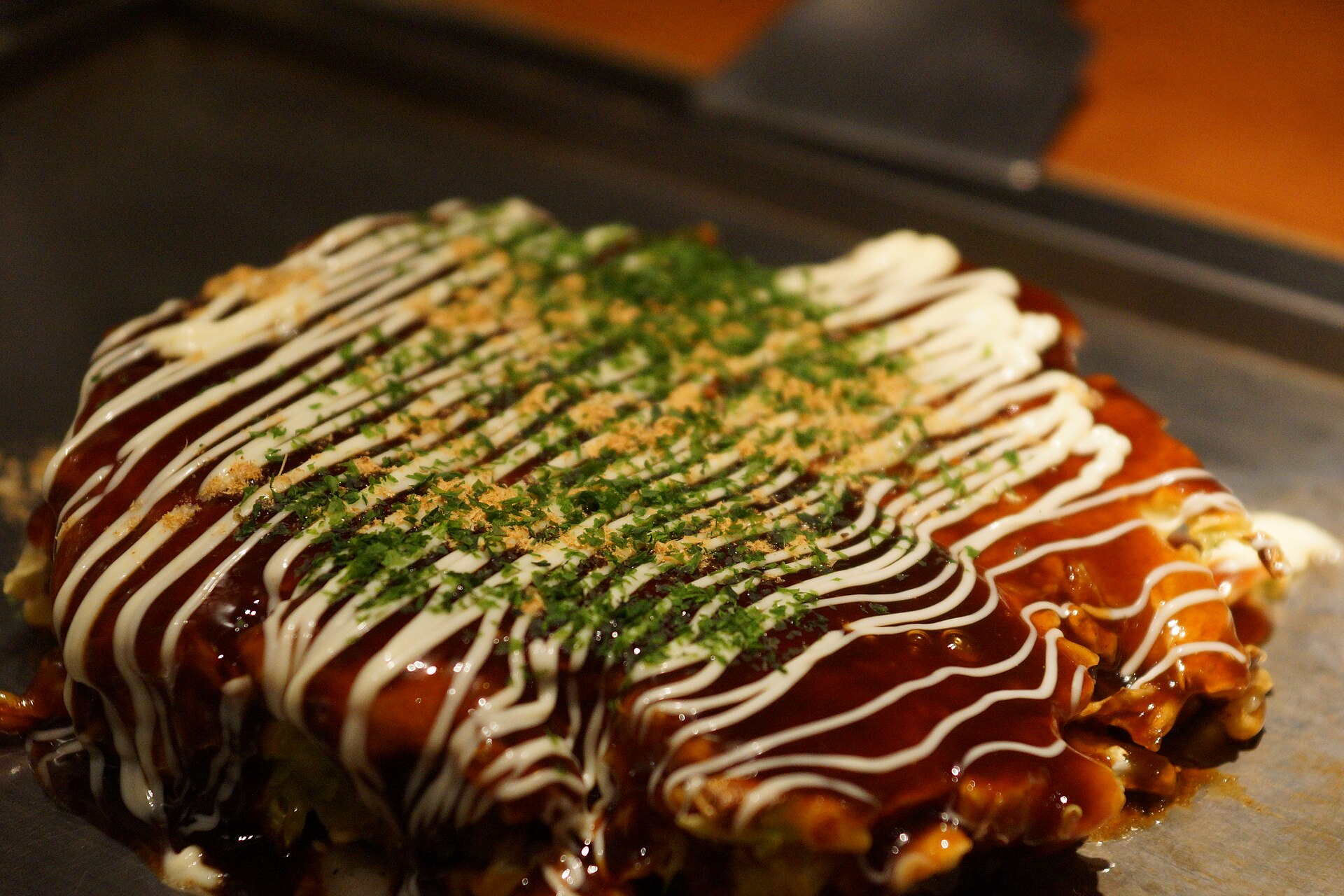
Okonomiyaki
A savoury pancake of cabbage, batter and pork or seafood, cooked on a hot iron plate. In Osaka everything is mixed before cooking. In Hiroshima it is layered, so do not mix the two up in front of a local.
Open in Google Maps → -
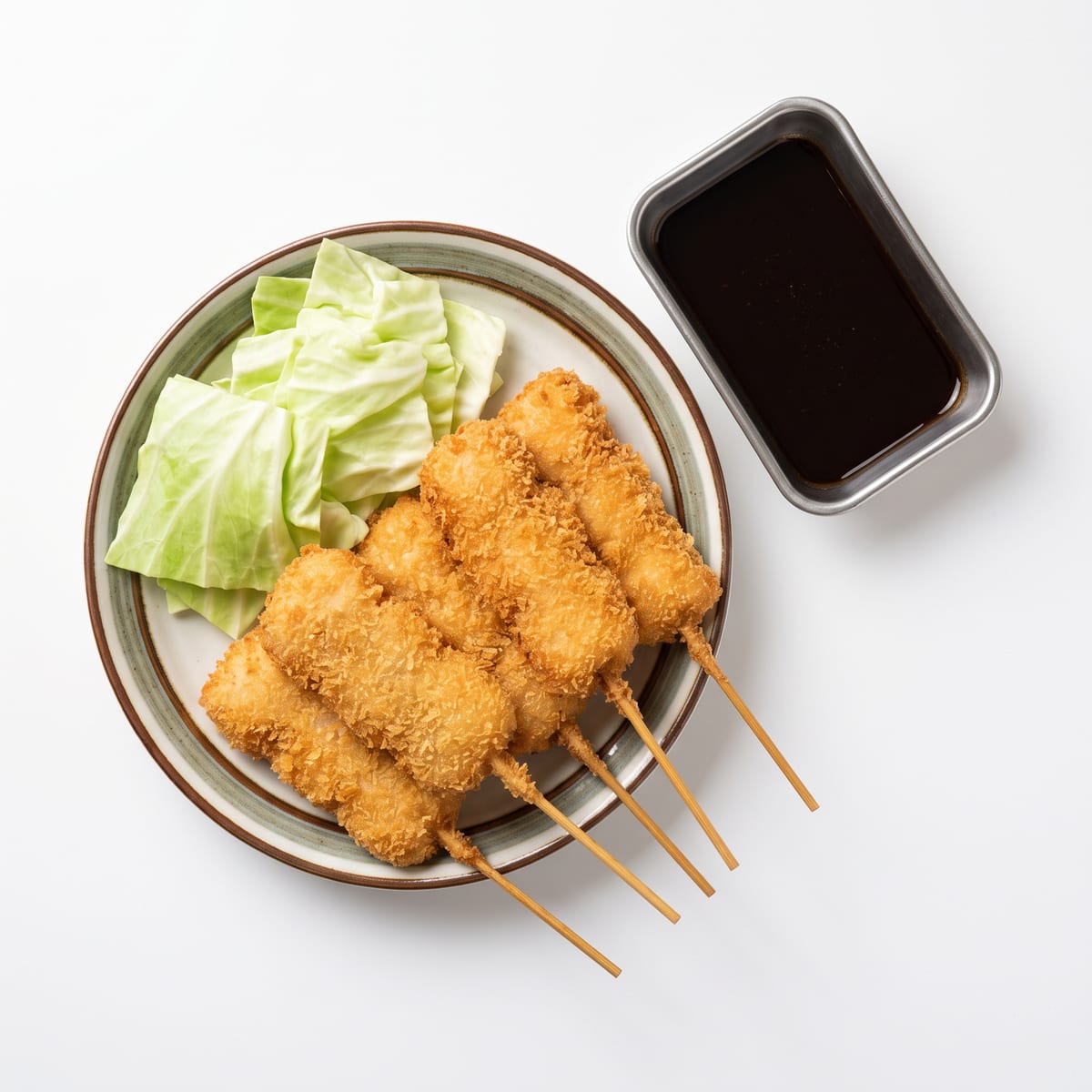
¥100–300 A STICK
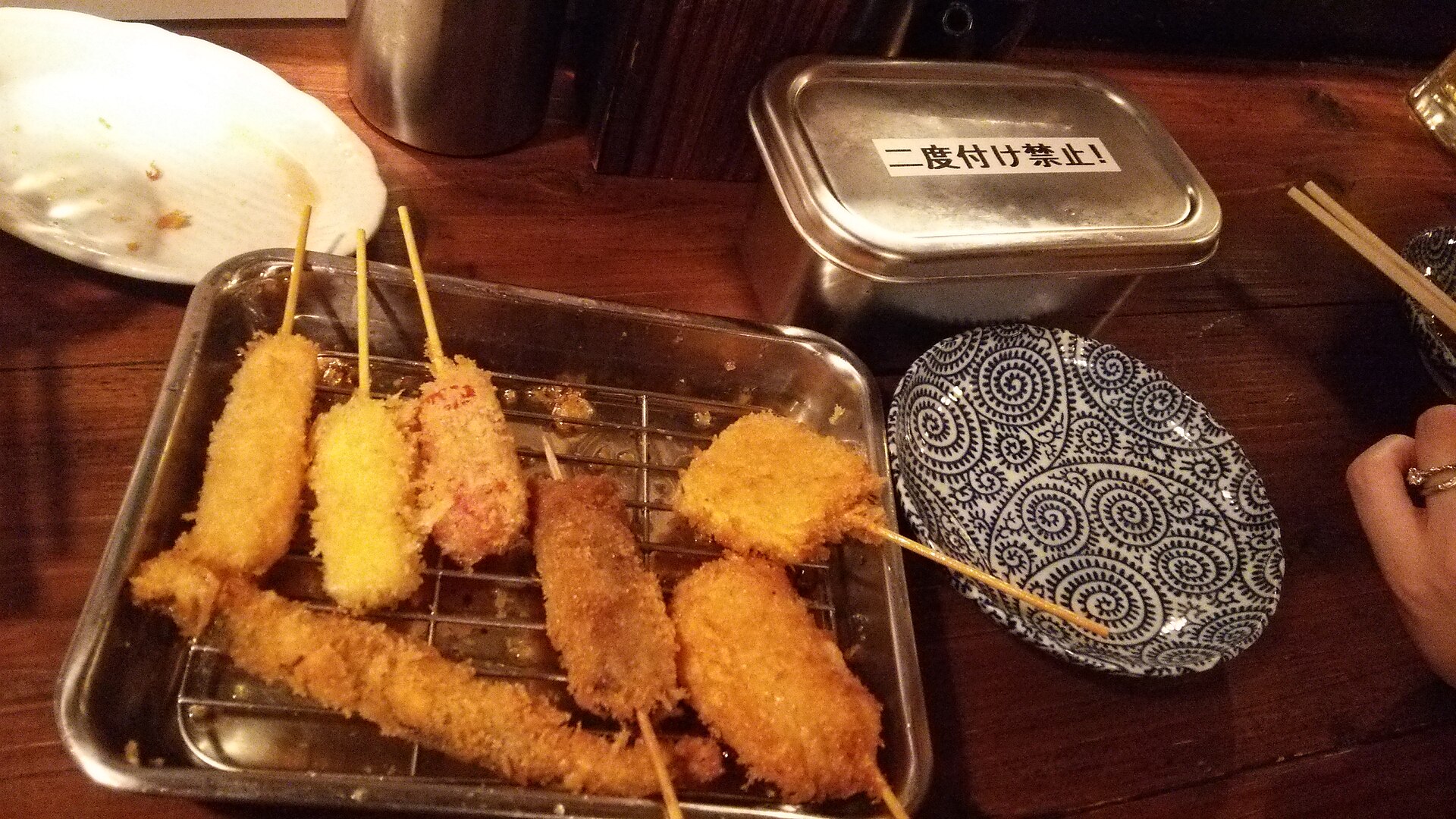
Kushikatsu
Skewers of meat, vegetables and seafood, breaded and deep-fried, then dipped in a shared tray of thin sauce. The sign on the tray says it all: dip once only.
Open in Google Maps → -
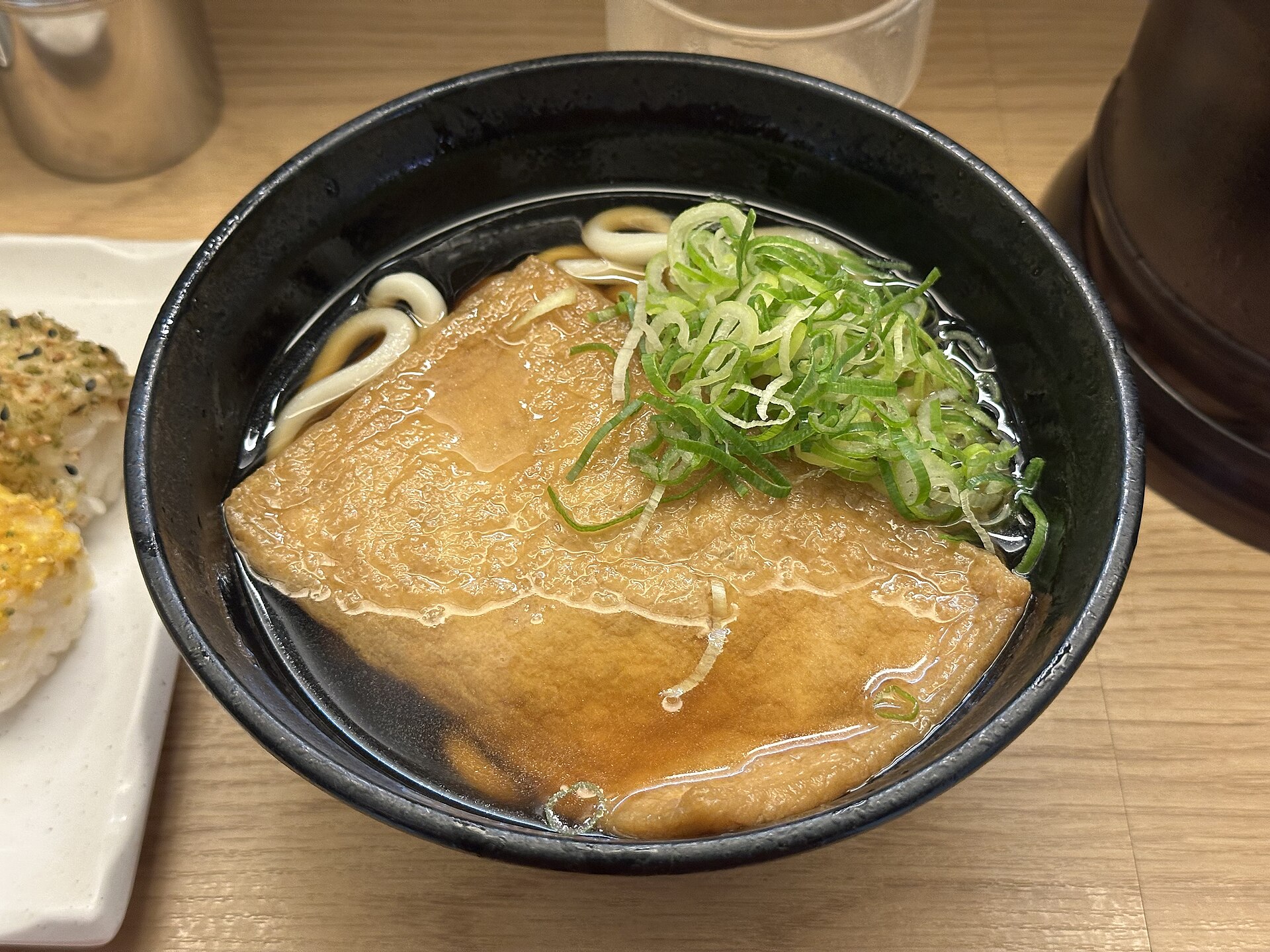
¥800–1,200
Kitsune udon
Soft, thick noodles in a pale dashi broth with a big sheet of sweet fried tofu on top. Osaka udon is about the broth, which is lighter and clearer than Tokyo's.
Open in Google Maps → -
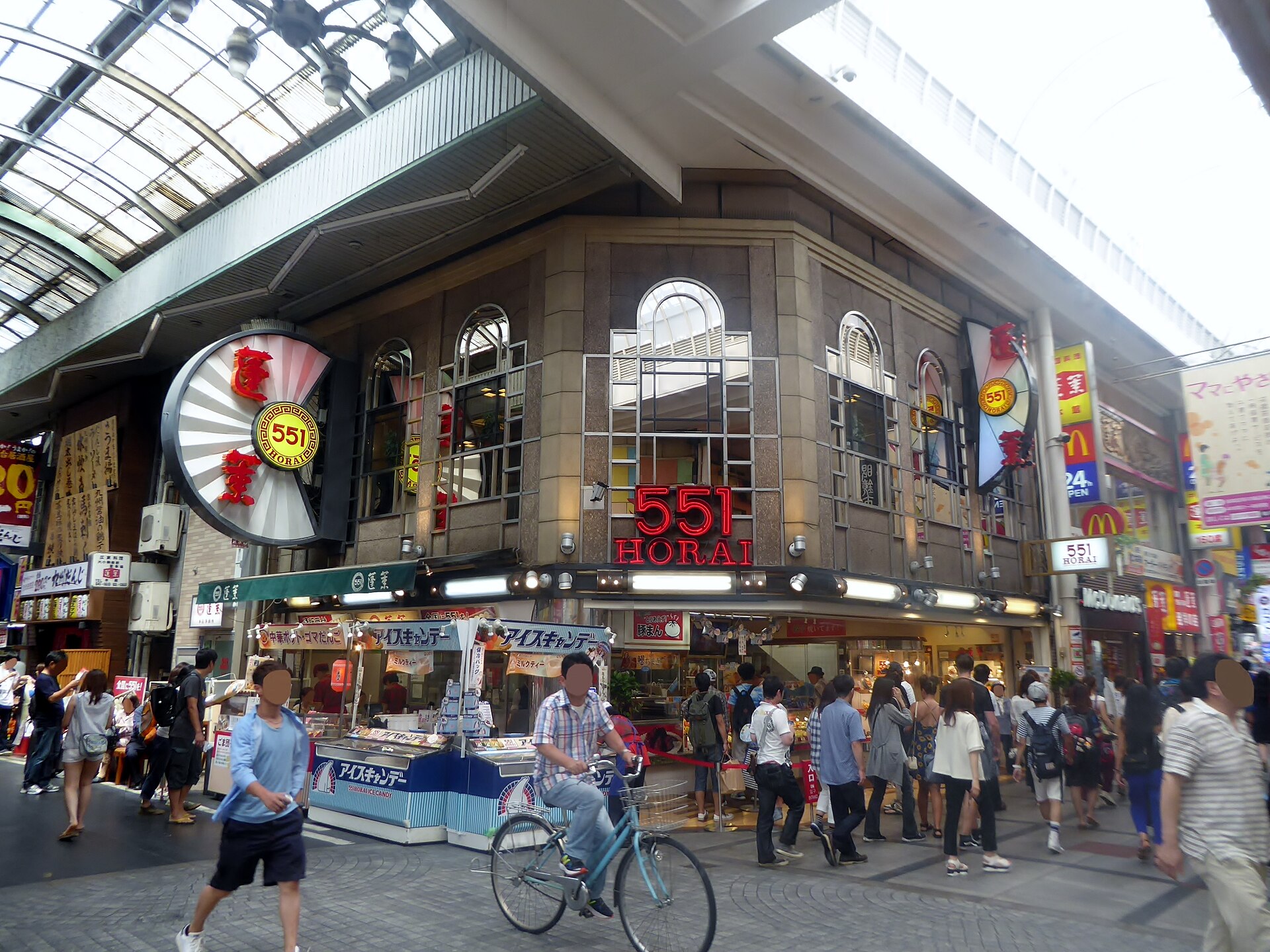
ABOUT ¥200
Butaman at 551 Horai
A soft steamed bun filled with pork and onion. In Osaka "butaman" usually means 551 Horai, whose shops sell them hot at the big stations. Locals bring a box home on the train, and everyone can smell it.
Open in Google Maps → -
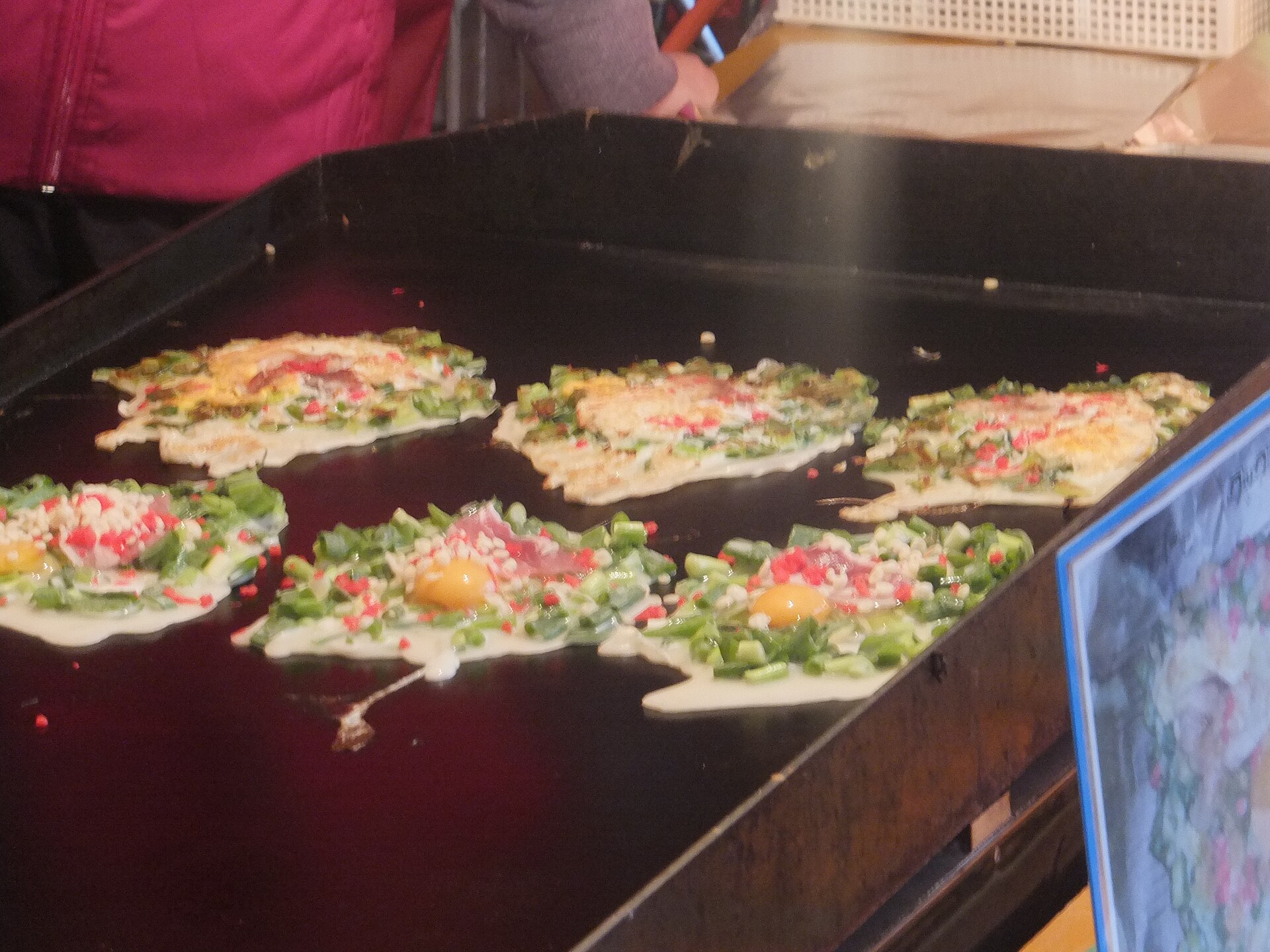
¥900–1,500
Negiyaki
A thin okonomiyaki made with piles of green onion instead of cabbage, often finished with soy sauce and lemon. Lighter, and a good second plate.
Open in Google Maps → -
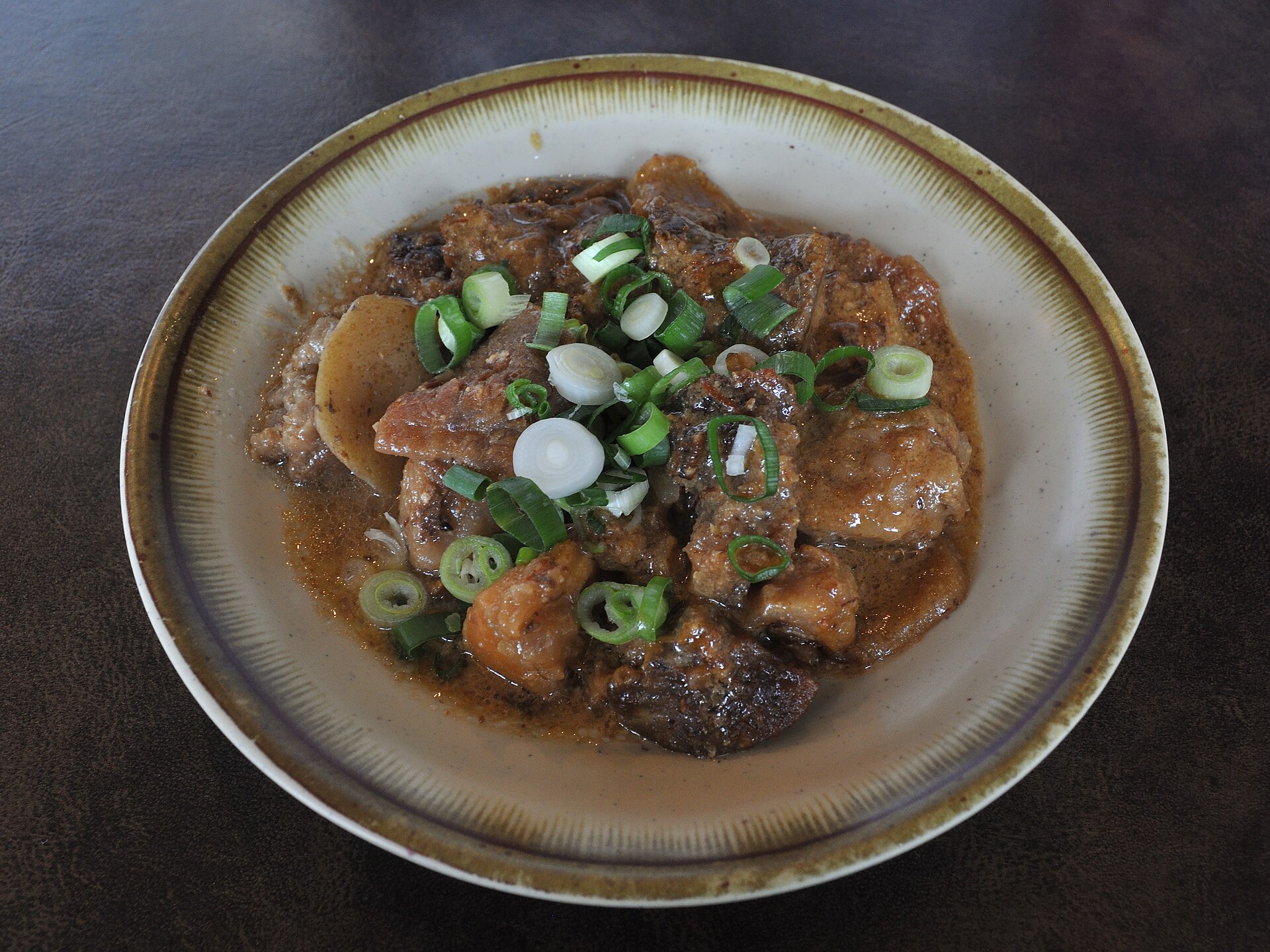
¥300–600
Doteyaki
Beef tendon simmered for hours in sweet miso until it falls apart. The side dish to order with kushikatsu in Shinsekai.
Open in Google Maps → -
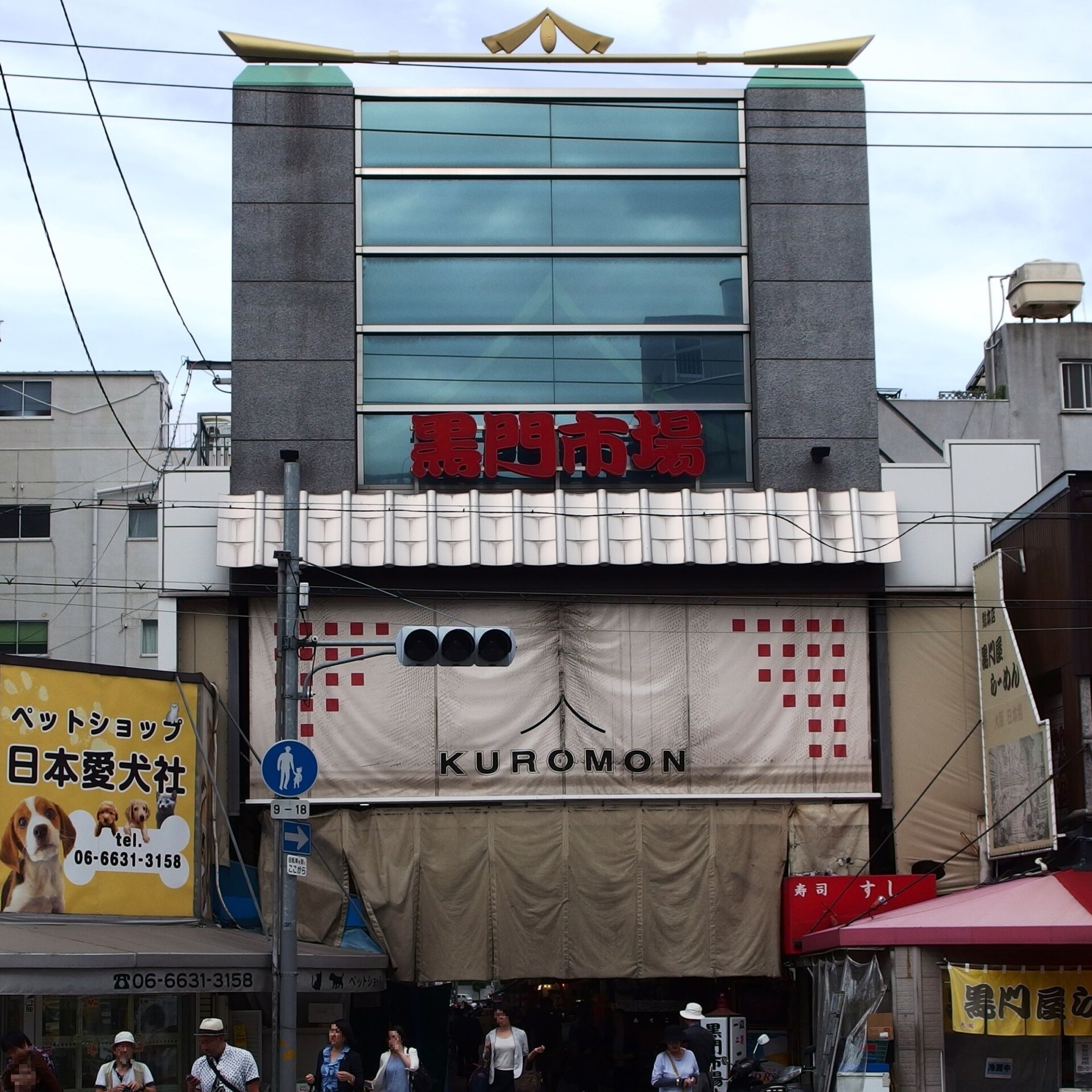
VARIES
Seafood at Kuromon Market
Grilled scallops, sea urchin, tuna and crab from the market stalls. More touristy and pricier than the rest of this list, but a fun morning.
Open in Google Maps →
THE ORIGINALS
The shops that started it
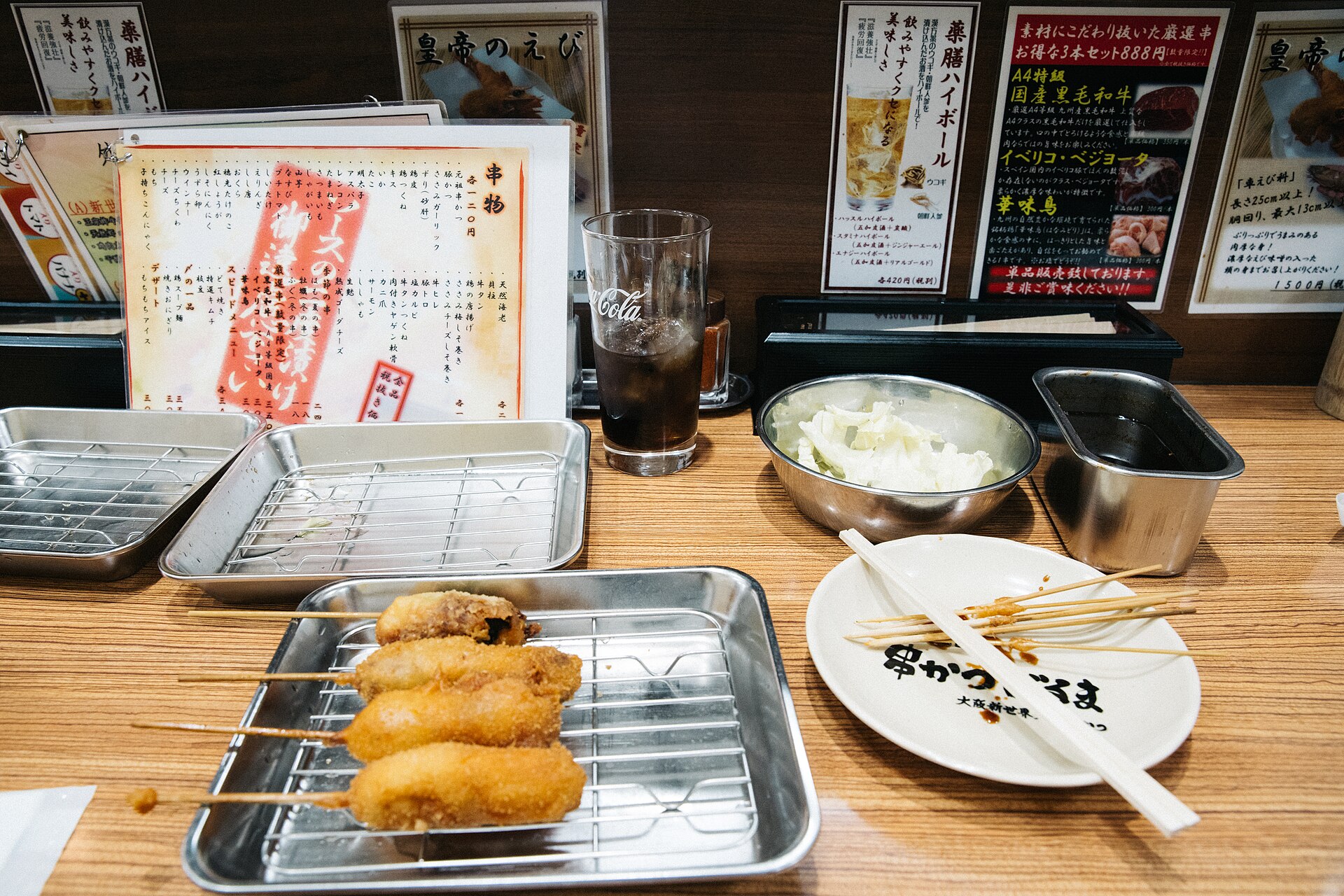
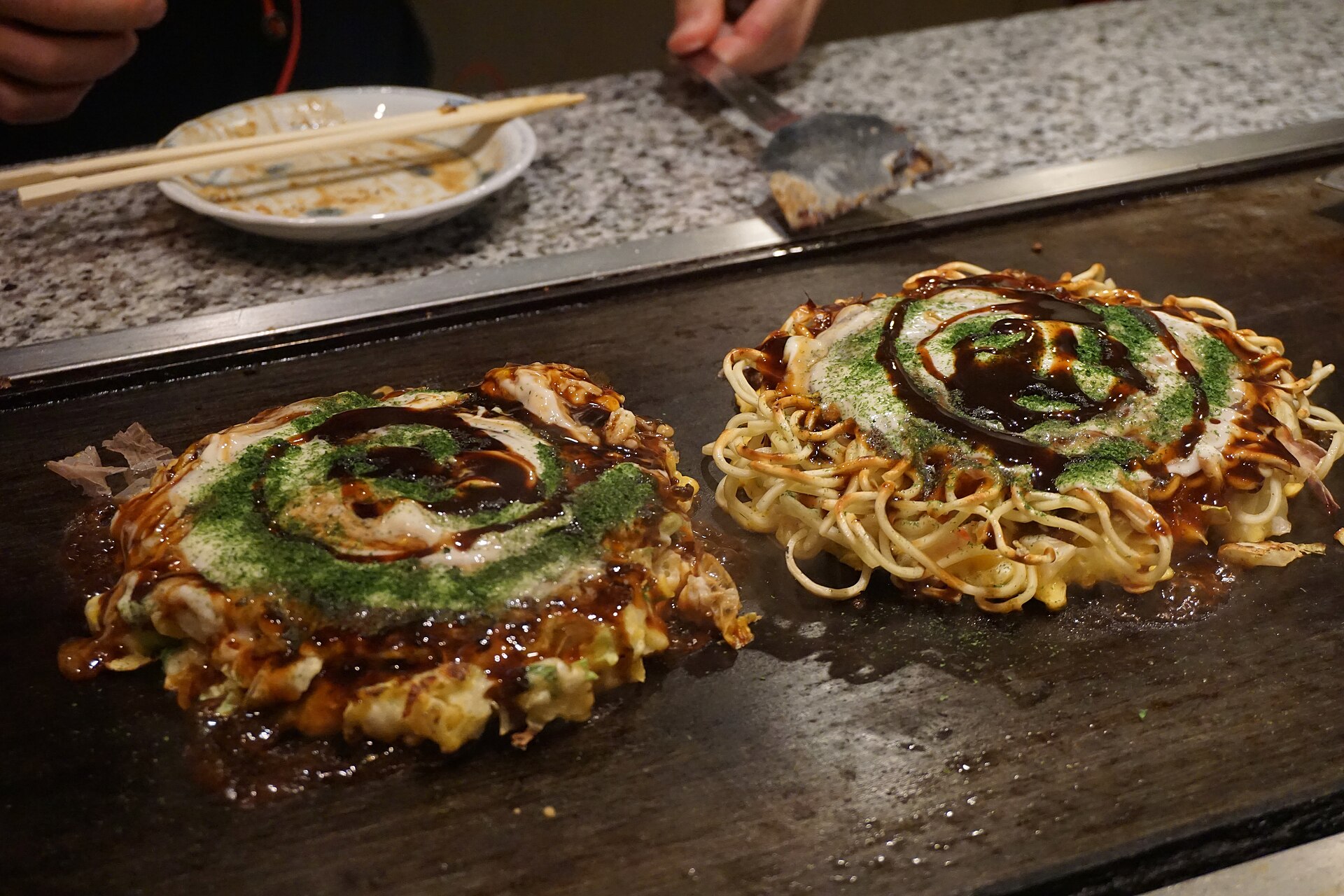
- Aizuya (takoyaki)
- Says it created takoyaki in the 1930s, after first selling "radio-yaki" with beef. Its takoyaki come without sauce, flavoured inside with dashi, so you taste the batter. Branches in Namba Walk and around the city.
- Usami-tei Matsubaya (kitsune udon)
- A small udon shop in Semba, known as the birthplace of kitsune udon, the dish with sweet fried tofu. Also famous for "oji-udon", a hot pot of udon in a clay bowl.
- Kushikatsu Daruma (kushikatsu)
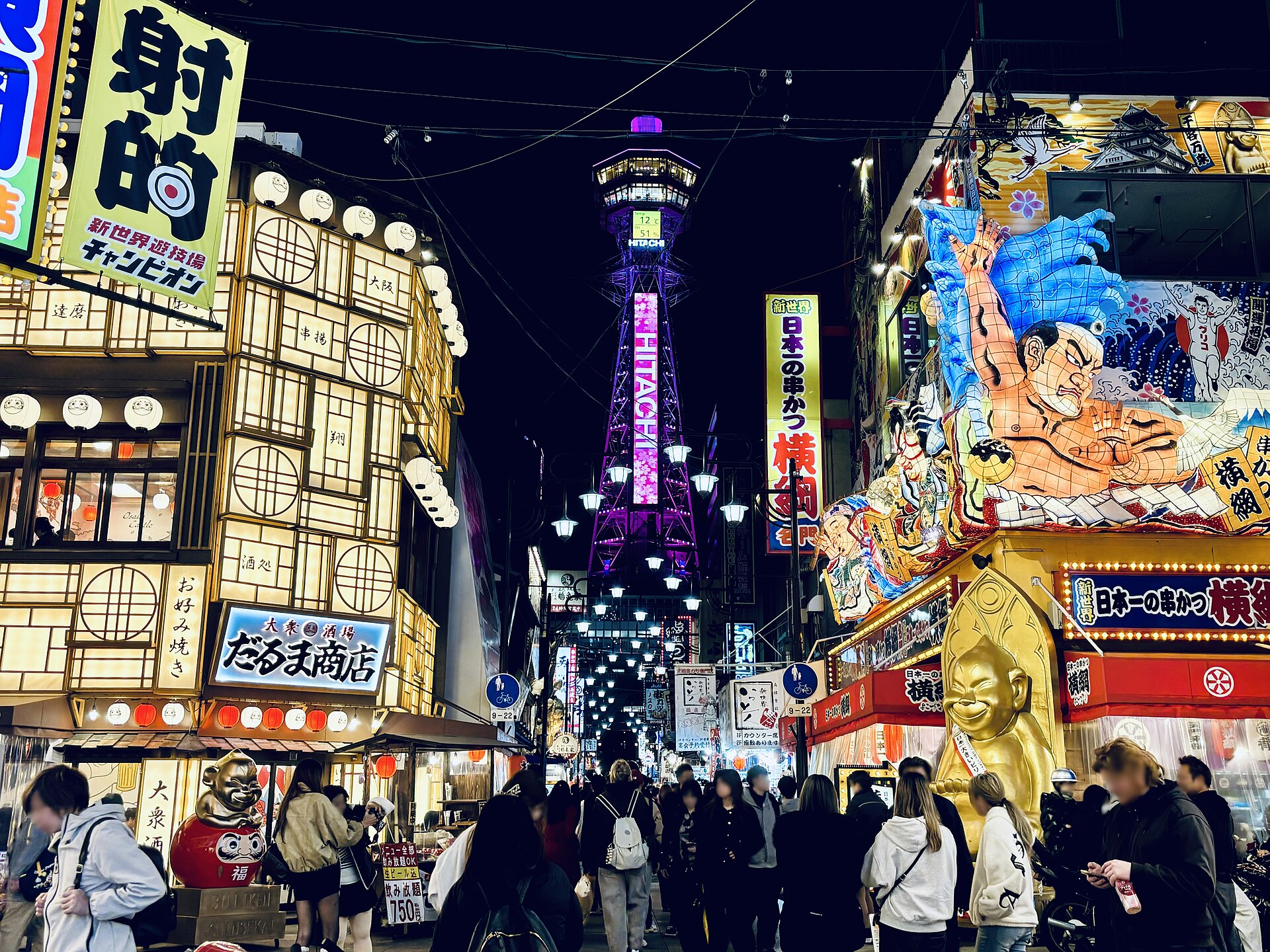
- Opened in Shinsekai in 1929 and now has branches across Osaka. Its angry-faced chef statue, holding up the "no double dipping" sign, is the symbol of the neighbourhood.
- Mizuno (okonomiyaki)
- A family okonomiyaki shop in Dotonbori since 1945. Its signature is yamaimo-yaki, made with grated mountain yam instead of flour, so it is light and fluffy. Expect a line.
- 551 Horai (butaman)
- Founded in Namba in 1945 and still wrapping every bun by hand. The main shop is on the Namba shopping street, and you can watch the staff folding buns through the window.
Origin stories are what the shops and local guides say. Other places tell other stories, which is part of the fun.
ONE DAY
A one-day eating route
ROUTEBreakfast at the market, dinner under the tower6 stops
-
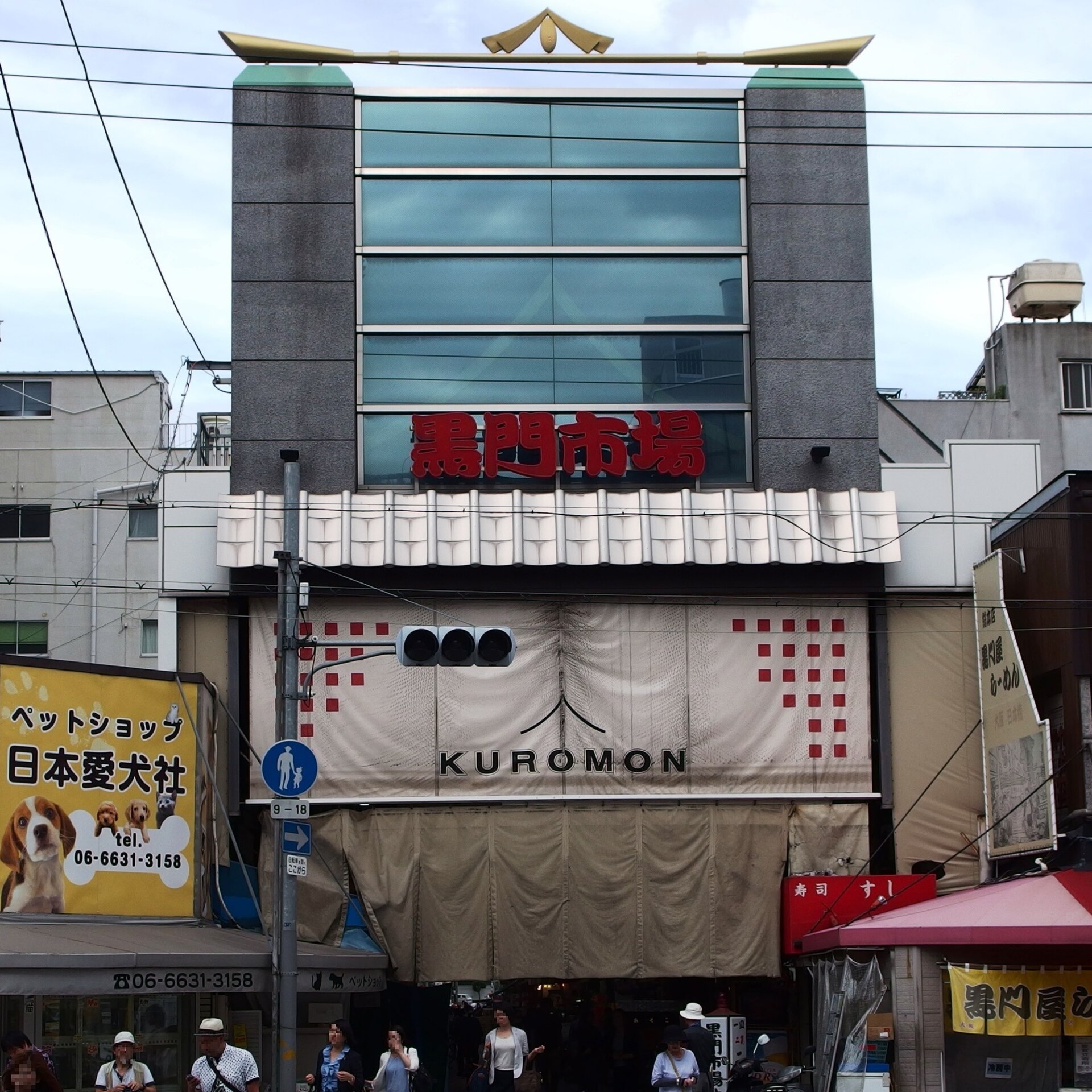
09:30
Kuromon Market
Graze through the stalls: a grilled scallop, a strawberry daifuku, a cup of fresh juice. Go before the tour groups arrive.
Open in Google Maps → - Walk 10 min
-
11:30
551 Horai main shop
A hot butaman to eat on the street, or a box for later.
Open in Google Maps → - Walk 15 min
-
12:30
Kitsune udon in Semba
A calm bowl of udon in the business district, away from the crowds.
Open in Google Maps → - Walk 15 min
-
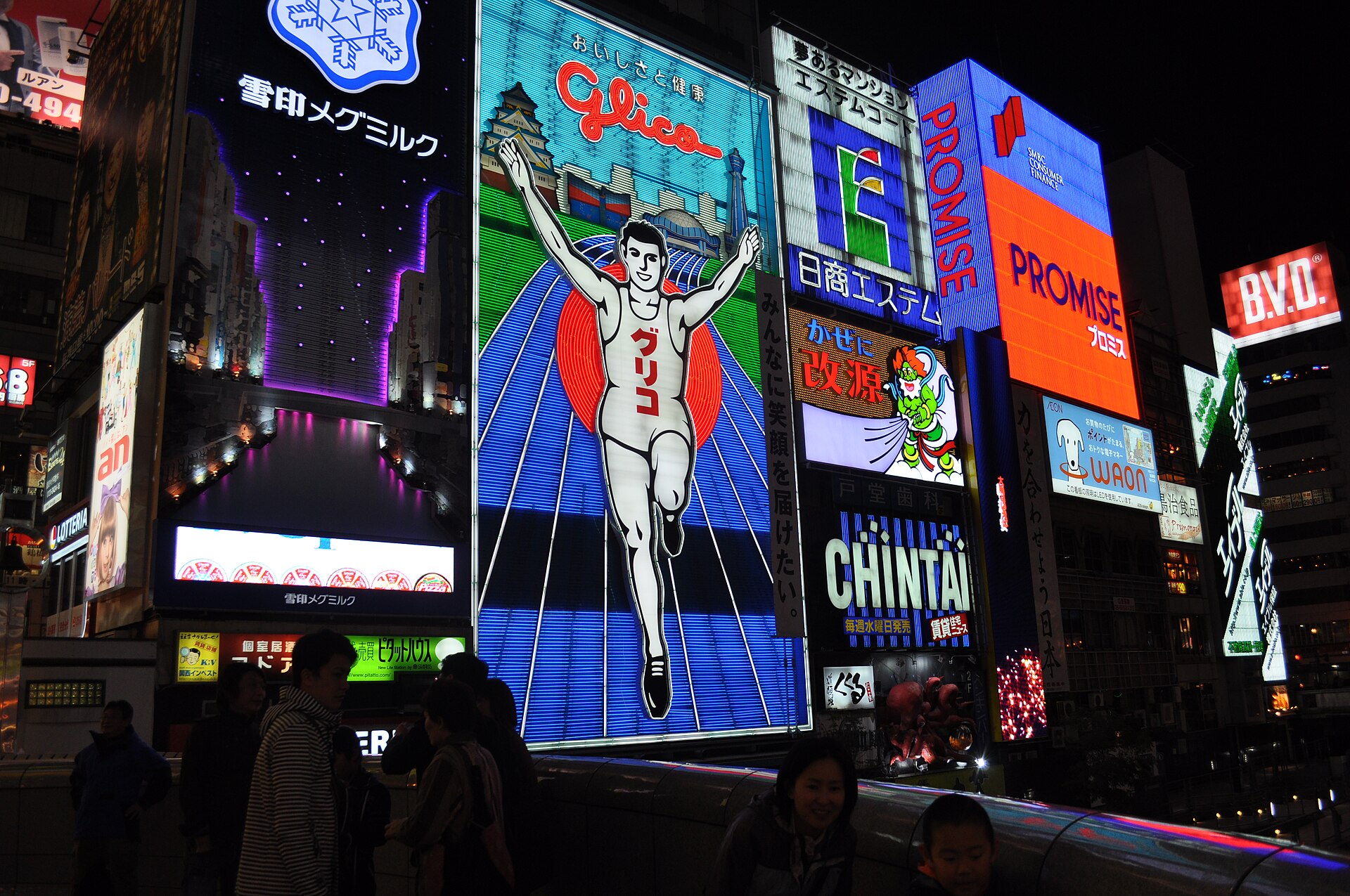
15:00
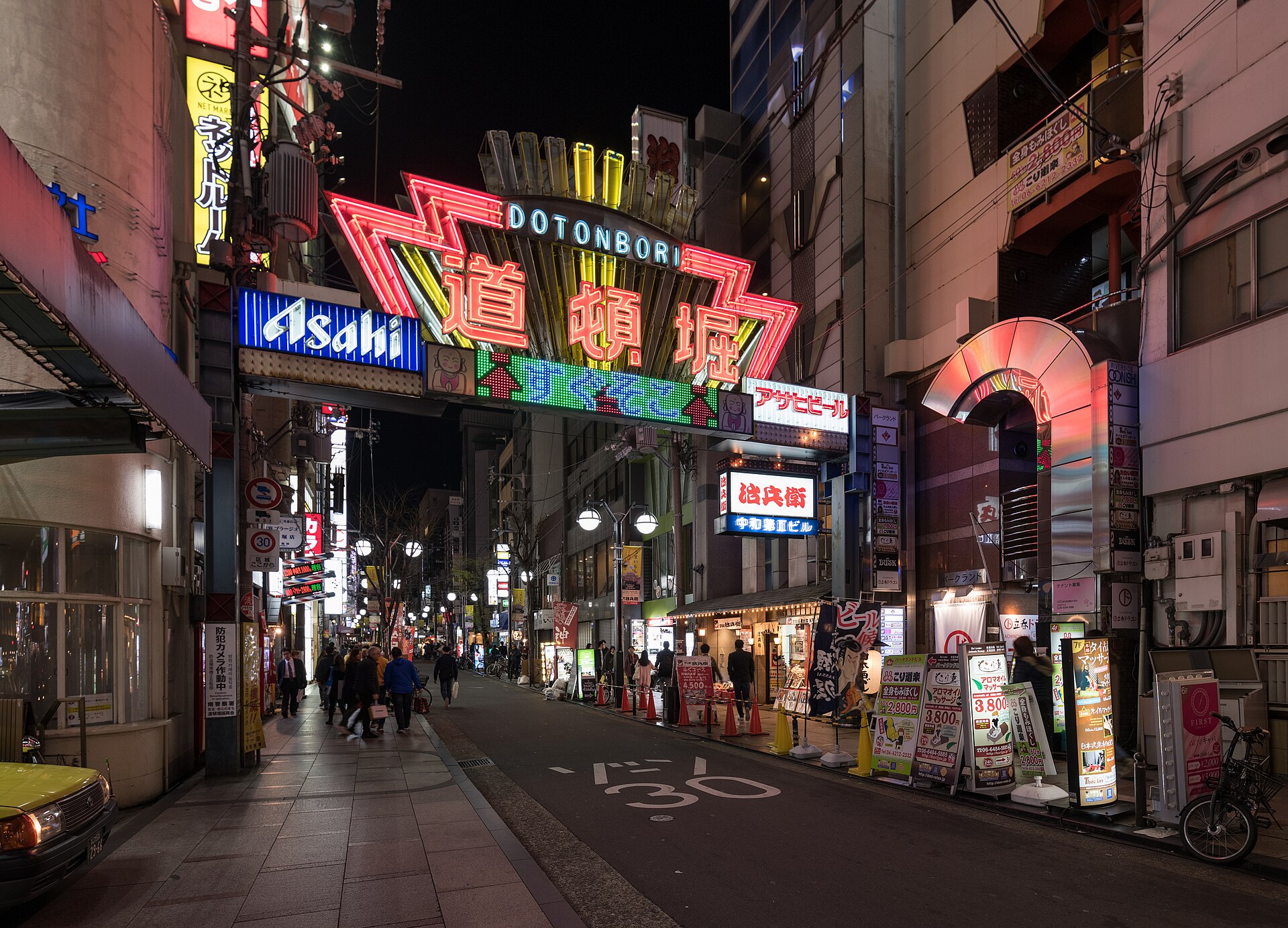
Takoyaki in Dotonbori
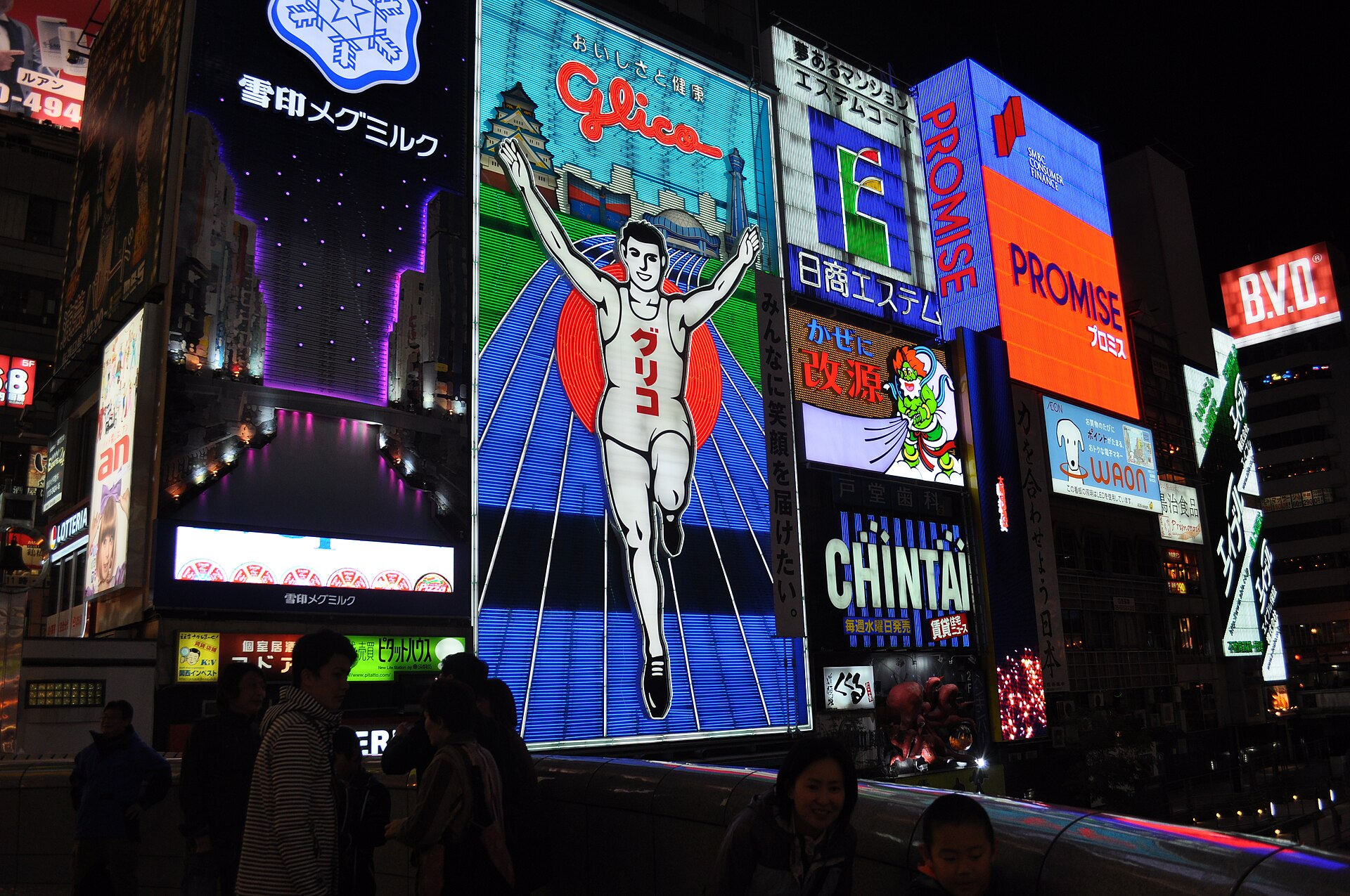
The canal, the Glico sign and a boat of takoyaki. Stand at the counter and watch them turn the balls.
Open in Google Maps → - Subway 10 min
-
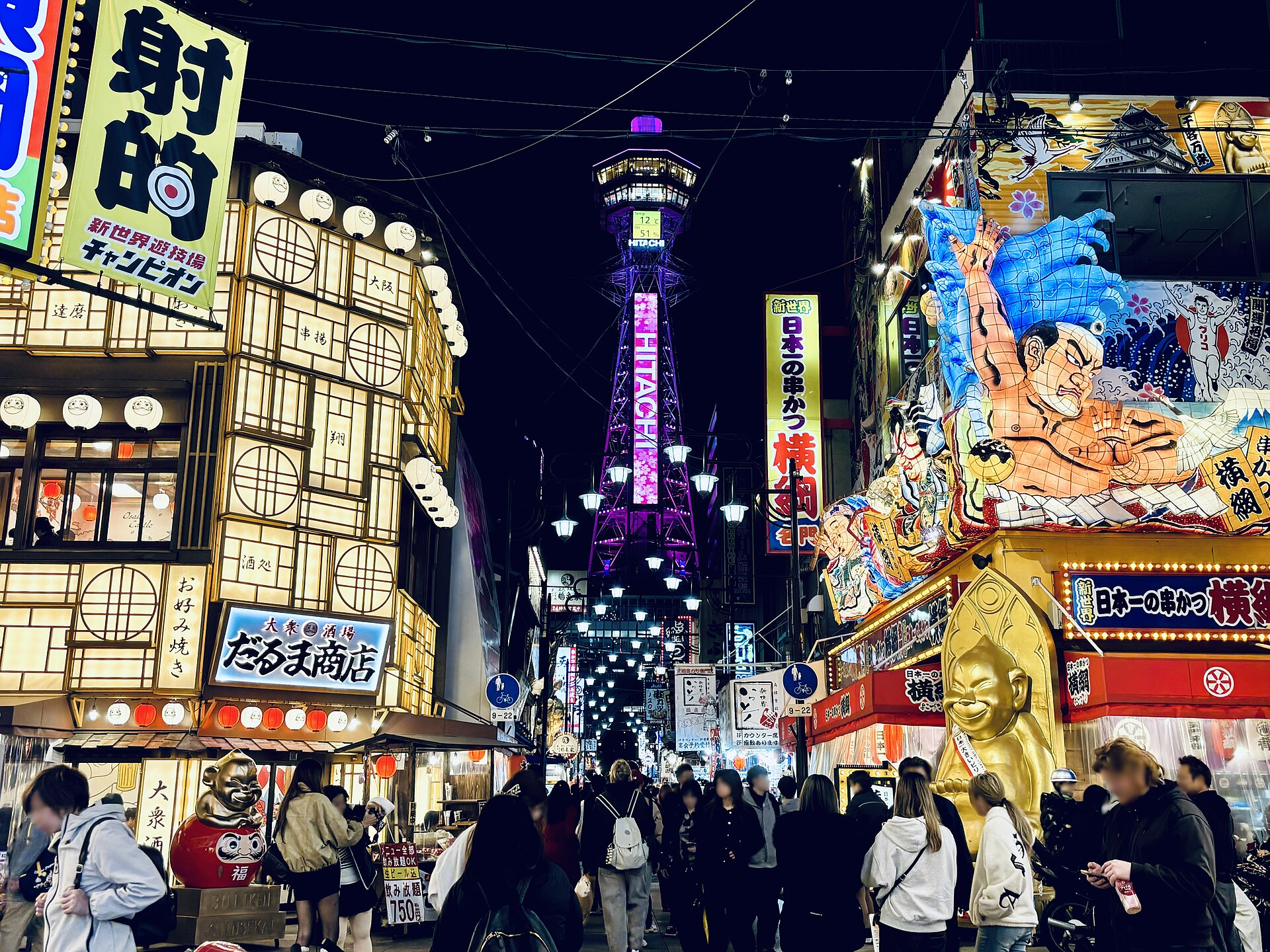
18:00
Kushikatsu in Shinsekai
Neon, Tsutenkaku tower and rows of kushikatsu counters. Order a mixed set, doteyaki and a cold drink.
Open in Google Maps → - Subway 10 min
-
20:30
Okonomiyaki for dinner
If you still have room, finish at an okonomiyaki shop back in Dotonbori. Many cook it for you at the table.
Open in Google Maps →
HOW TO ORDER
Ordering without stress
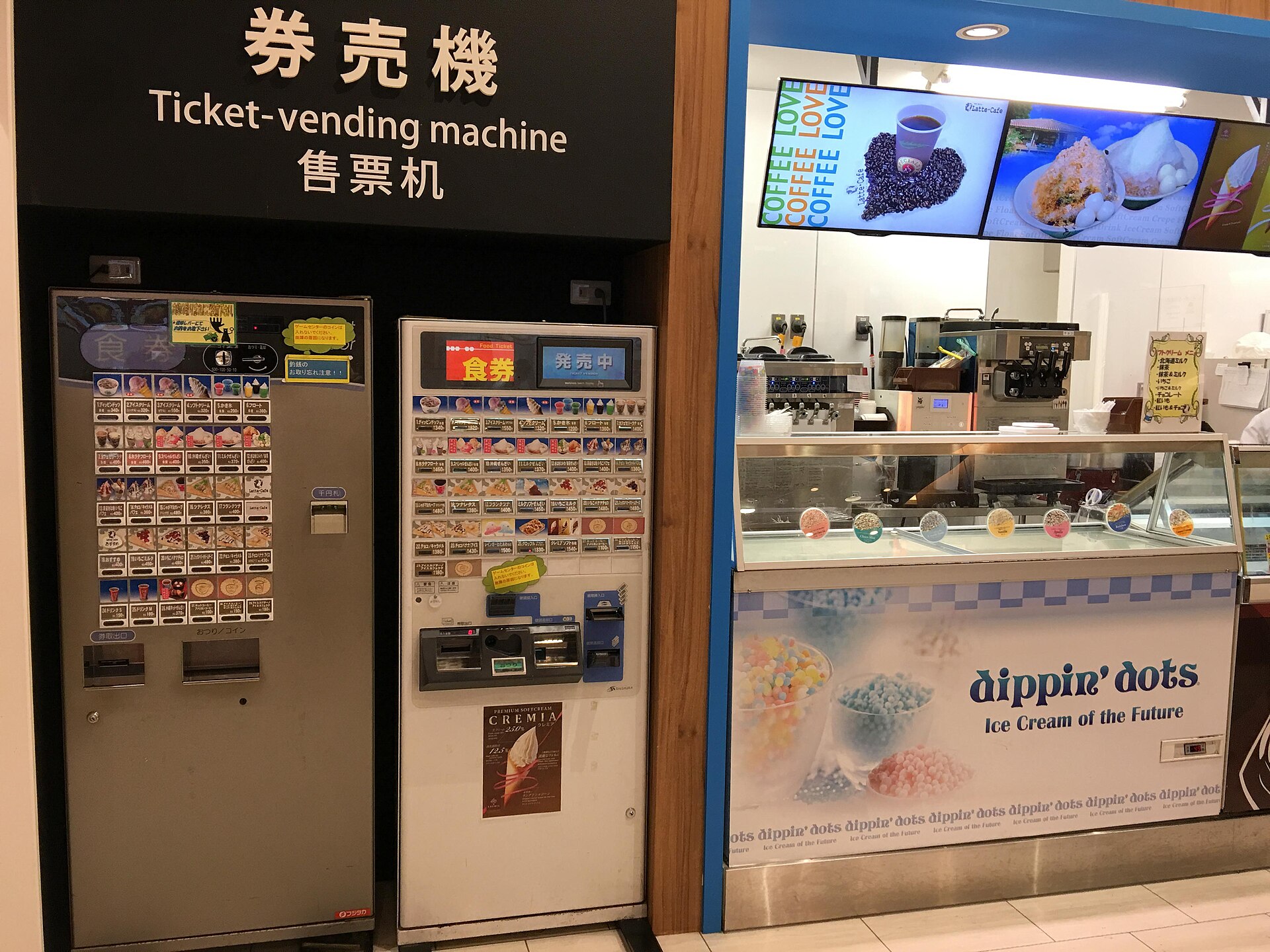
Many cheap places use a ticket machine at the door. Put in cash, press the button with the picture of your dish, and hand the ticket to the staff. Newer machines often have an English button.
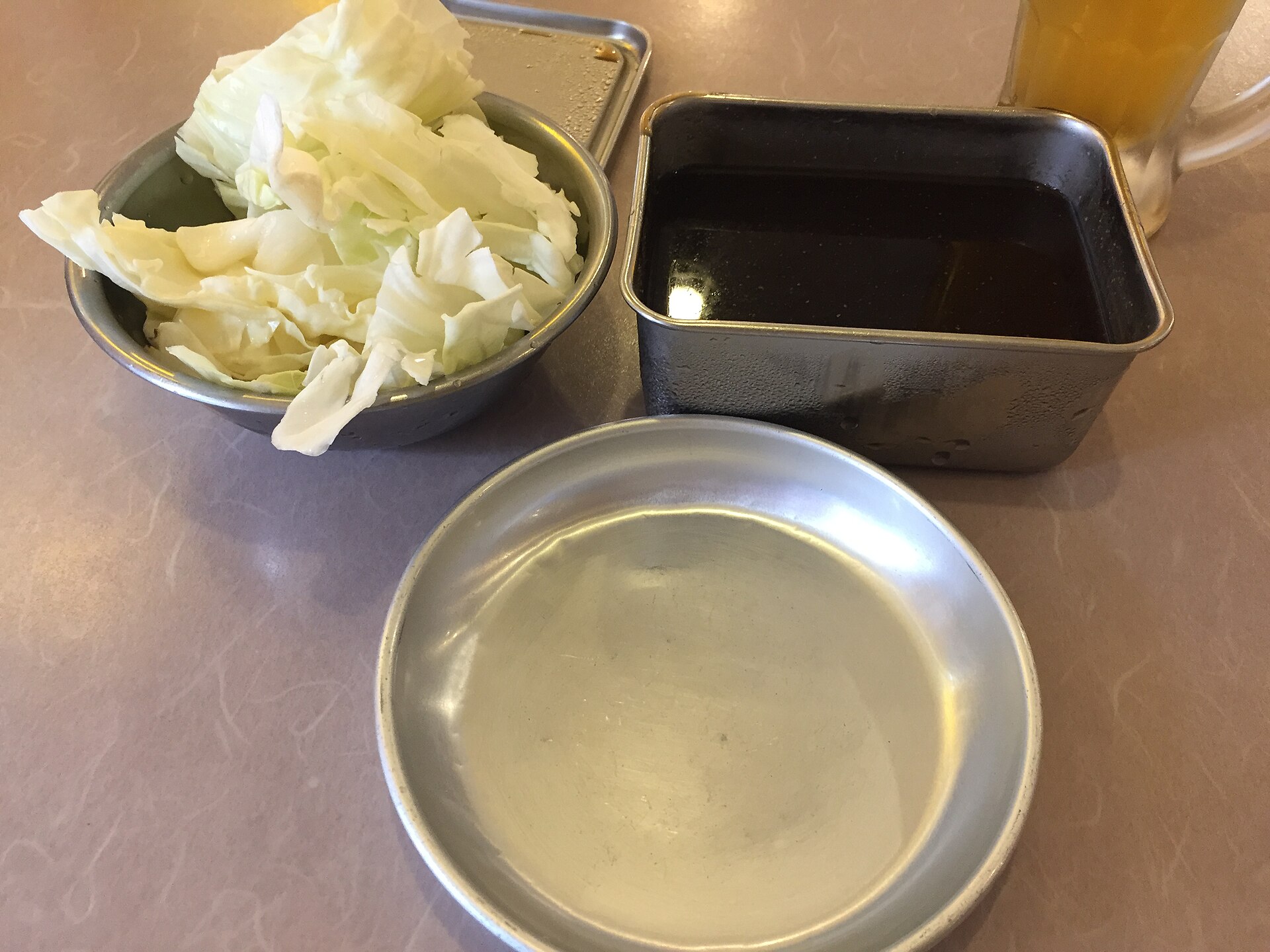
At kushikatsu counters, the sauce pot is shared by everyone at the counter, which is why you dip once only. If you want more sauce, use the raw cabbage on the counter to scoop it. The cabbage is free.
At okonomiyaki shops the iron plate in front of you is hot. If the staff cook for you, wait until they tell you it is ready, then cut it with the small metal spatula.
Lines move fast. In Osaka a line of 20 people at a takoyaki stand is often only 10 minutes. For sit-down shops at dinner time, go before 18:00 or after 20:00.
SPECIAL DIETS
Vegetarian, allergies and halal
Osaka food is hard for vegetarians, because dashi made from bonito fish is in almost everything, even dishes that look like vegetables. Bonito flakes on top of takoyaki and okonomiyaki can be left off if you ask, but the batter and broth usually still contain fish.
For allergies, carry a card in Japanese that lists what you cannot eat, and show it before you order. Wheat, egg, shellfish and buckwheat are very common.
Halal and vegetarian restaurants exist in Namba and Umeda. Search on Google Maps with "halal" or "vegan" and check recent reviews.
FAQ
Quick answers
What is Osaka's most famous food?
Takoyaki and okonomiyaki. Kushikatsu in Shinsekai is a close third.
Where is the best area to eat in Osaka?
Dotonbori for street food and okonomiyaki, Shinsekai for kushikatsu, and Kuromon Market for seafood in the morning.
How much should I budget for food in Osaka?
Street food costs around ¥500–1,000 a plate. ¥4,000–7,000 a day is enough to eat well.
Can I pay by card?
Big restaurants usually take cards, but many stalls and small counters are cash only. Carry some cash.
Is it rude to eat while walking?
In Dotonbori it is normal to eat street food standing near the stall. In general, eat by the shop rather than while walking through crowds.
NEXT
Plan the rest of your trip
Osaka Info (official tourism) · Kushikatsu Daruma · 551 Horai
LOCAL GUIDES
→All guides