
Mito Ume Matsuri (Plum Blossom Festival)

MATSURI

Mito Ume Matsuri (Plum Blossom Festival)

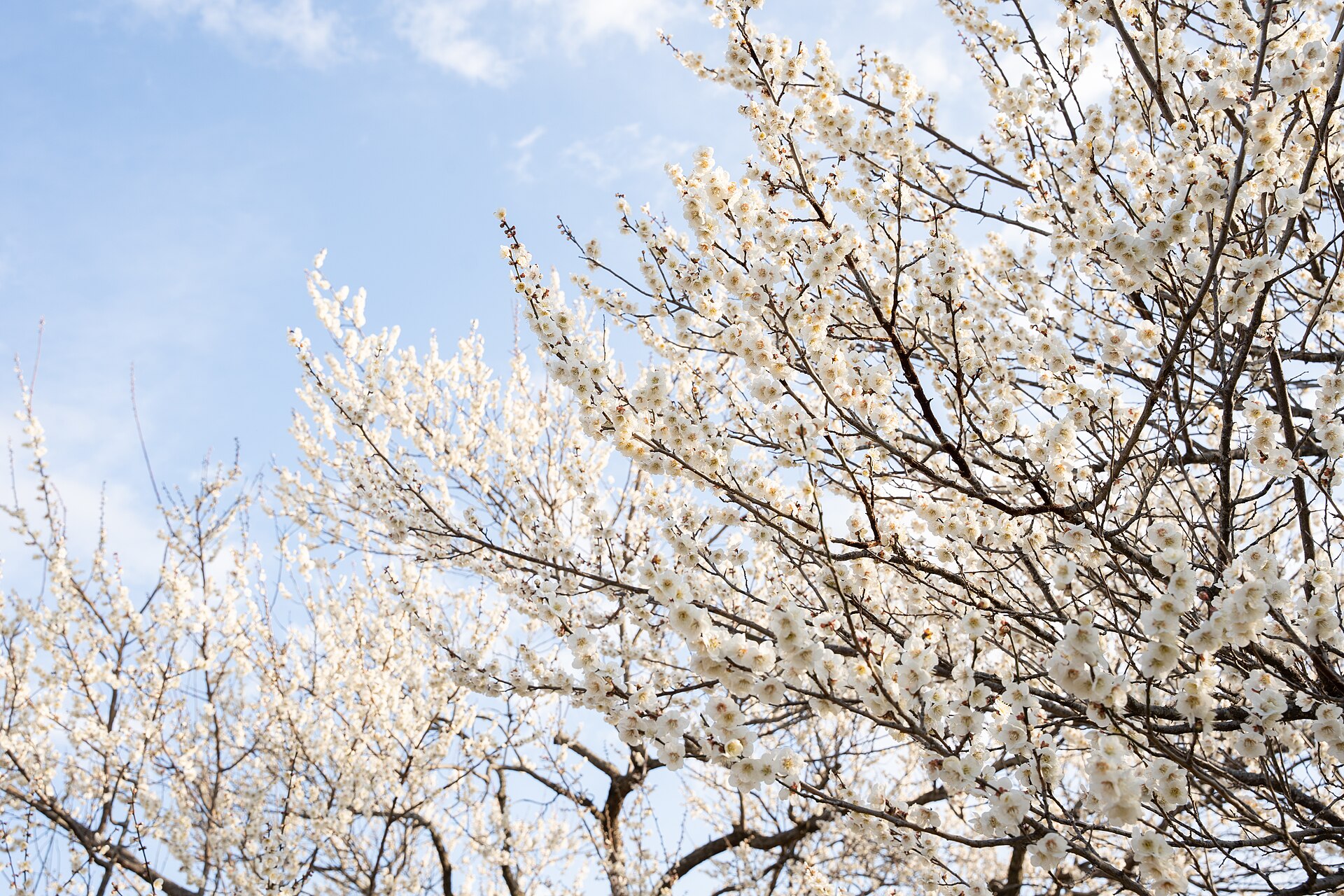
Three thousand plum trees in one of Japan's three great gardens, blooming weeks before the cherry blossoms.

In short: Mito Ume Matsuri 2027 (Feb 11–Mar 22): 3,000 plum trees at Kairakuen, 800 at Kodokan, the six famous trees, UME The Lights, fees and the train from Tokyo.

DATES
Feb 11–Mar 22, 2027
PLUM TREES
About 3,000 at Kairakuen, 800 at Kodokan
FROM TOKYO
About 70 min by limited express
ENTRY
Kairakuen ¥500 during the festival
ABOUT

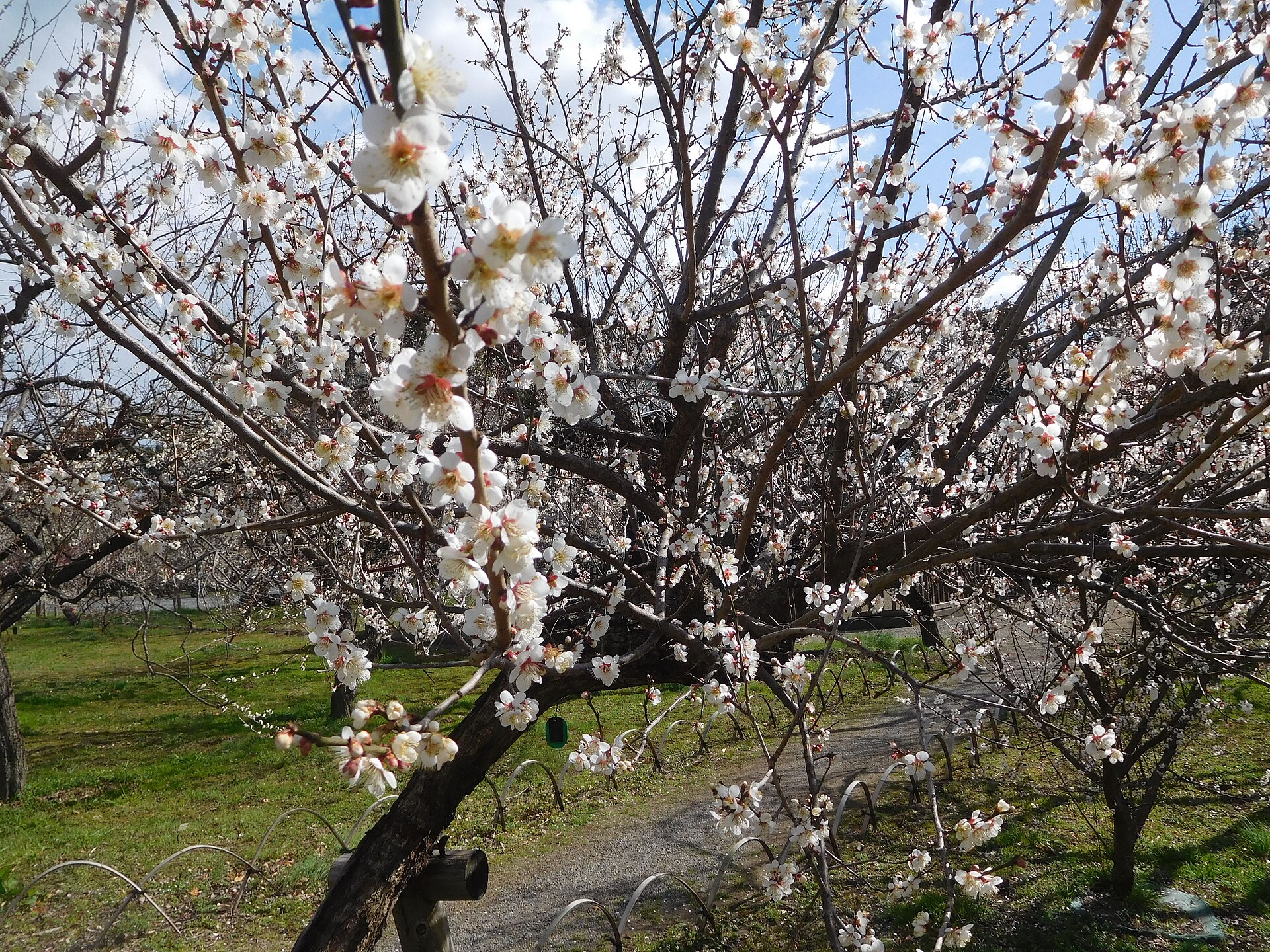
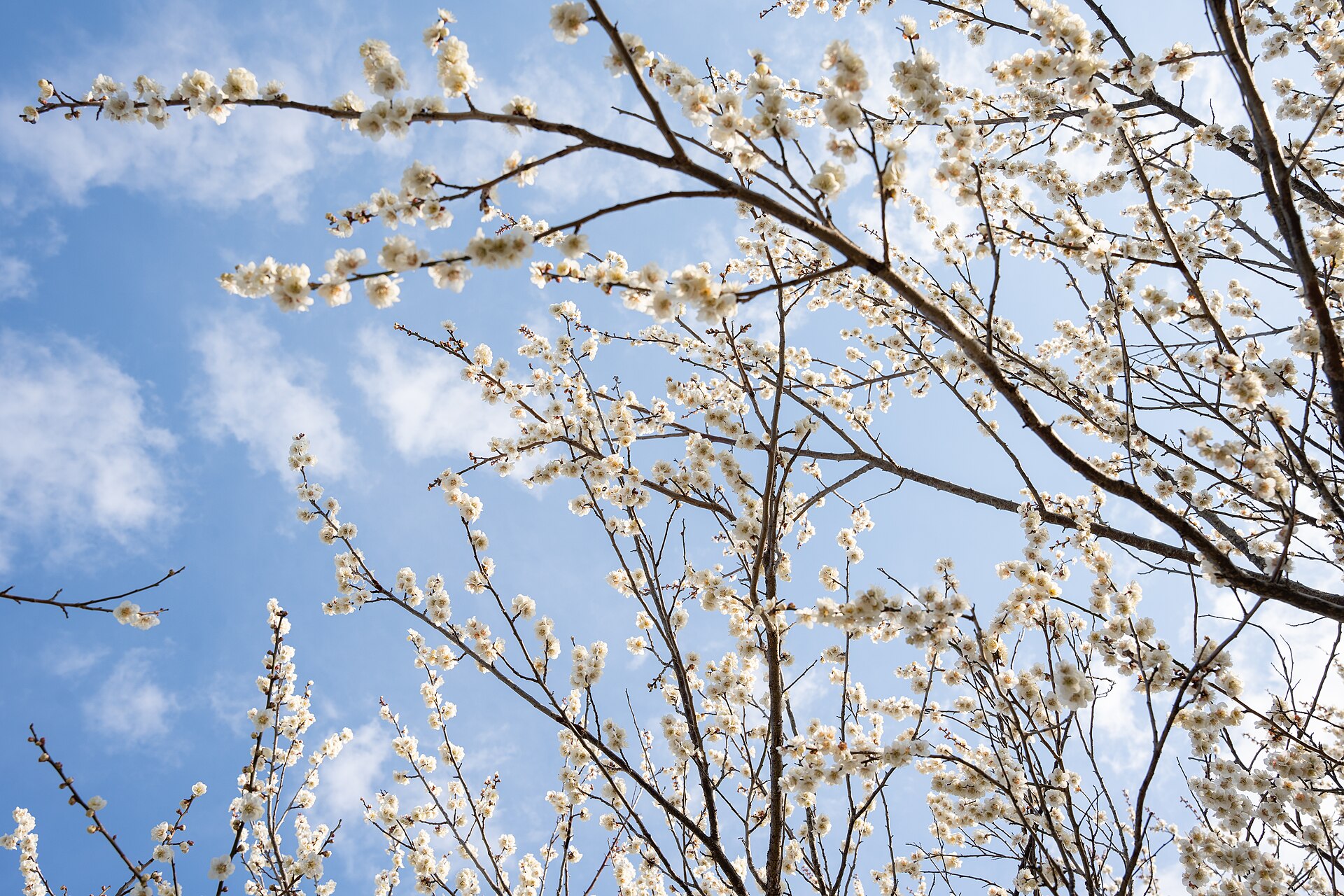
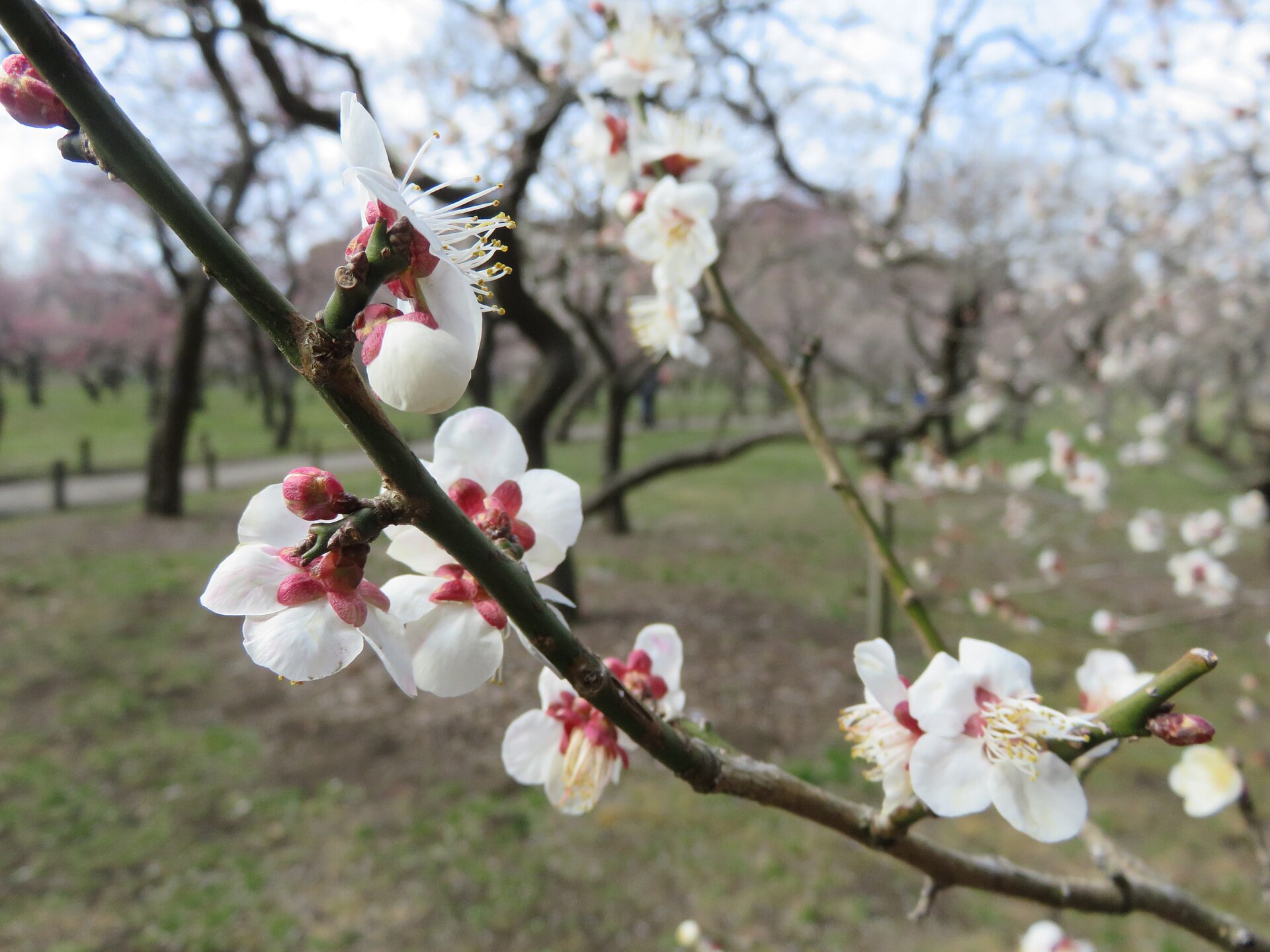
Long before the cherry blossoms, Mito turns pink and white. Kairakuen, the garden laid out in 1842 by Tokugawa Nariaki, the ninth lord of the Mito domain, holds about 3,000 plum trees of roughly 100 varieties. It is counted among Japan's three great gardens, with Kenrokuen in Kanazawa and Korakuen in Okayama, and in plum season it is the busiest of them all.

The 131st Mito Ume Matsuri runs from Thursday, February 11 to Monday, March 22, 2027, at Kairakuen and at Kodokan, the domain school Nariaki founded in 1841, where another 800 trees of about 60 varieties grow. Because the garden mixes early, mid and late varieties, something is in bloom for most of the six weeks. The festival itself dates back to the Meiji era; the 100th was held in 1996.

Plum blossomsGardenNight illuminationDay trip from TokyoSpring
MOVIE

The 130th Mito Ume Matsuri opens at Kairakuen and KodokanYouTube / Ibaraki Shimbun

Mito Ume Matsuri at Kairakuen, Feb 11, 2026YouTube / mitokairakuen

HIGHLIGHTS
Mito Rokumeiboku

01

THE SIX FAMOUS TREES

Mito Rokumeiboku

In the early 1930s six varieties were chosen as Mito's finest for their shape, scent and colour. Look for the low hexagonal fences around them inside Kairakuen.

More about Mito Rokumeiboku

Rekko-bai, named after Nariaki, has large pale red single flowers (late Jan to late Feb). Shiro-naniwa is white with a faint pink edge, Tsukikage is a pale bluish white with a strong scent, and Konan-shomu is a deep red with thick petals that is still out in early April.

Yanagawa-shidare (pale pink, weeping) and Tora-no-o (double flowers with reddish calyxes that open white) complete the six. Both bloom from early February to early March.

Where
Kairakuen main garden
Selected
Early 1930s
Marked by
Hexagonal fences
Nariaki's villa in the garden

02

KOBUNTEI

Nariaki's villa in the garden

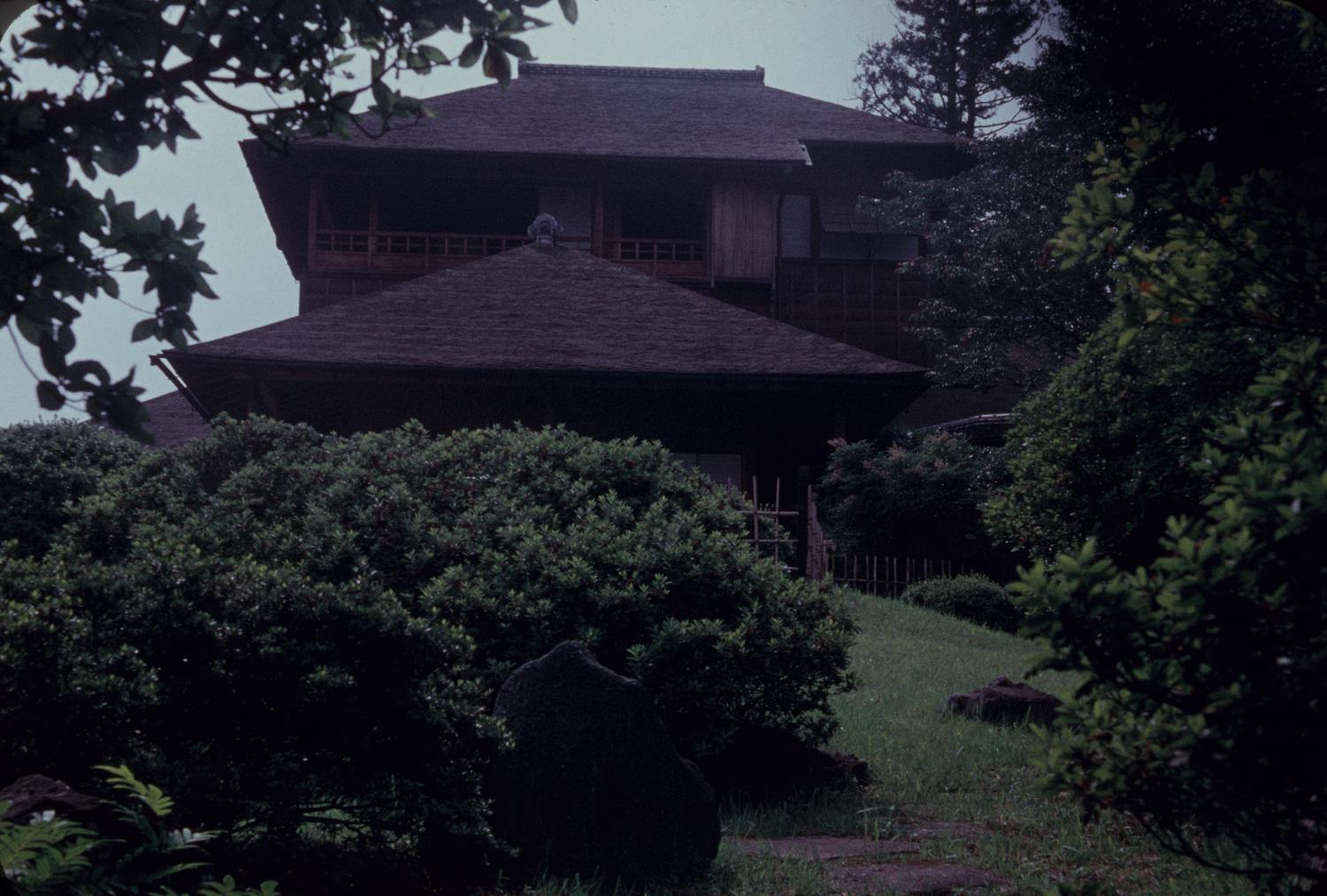
Kobuntei is the lord's retreat inside Kairakuen, where Nariaki held poetry gatherings. Its name comes from an old word for the plum tree, "kobunboku".

More about Nariaki's villa in the garden

The original burned in the 1945 air raid on Mito and was rebuilt. It has its own ticket, and the view from its rooms over the plum groves is one of the best in the garden.

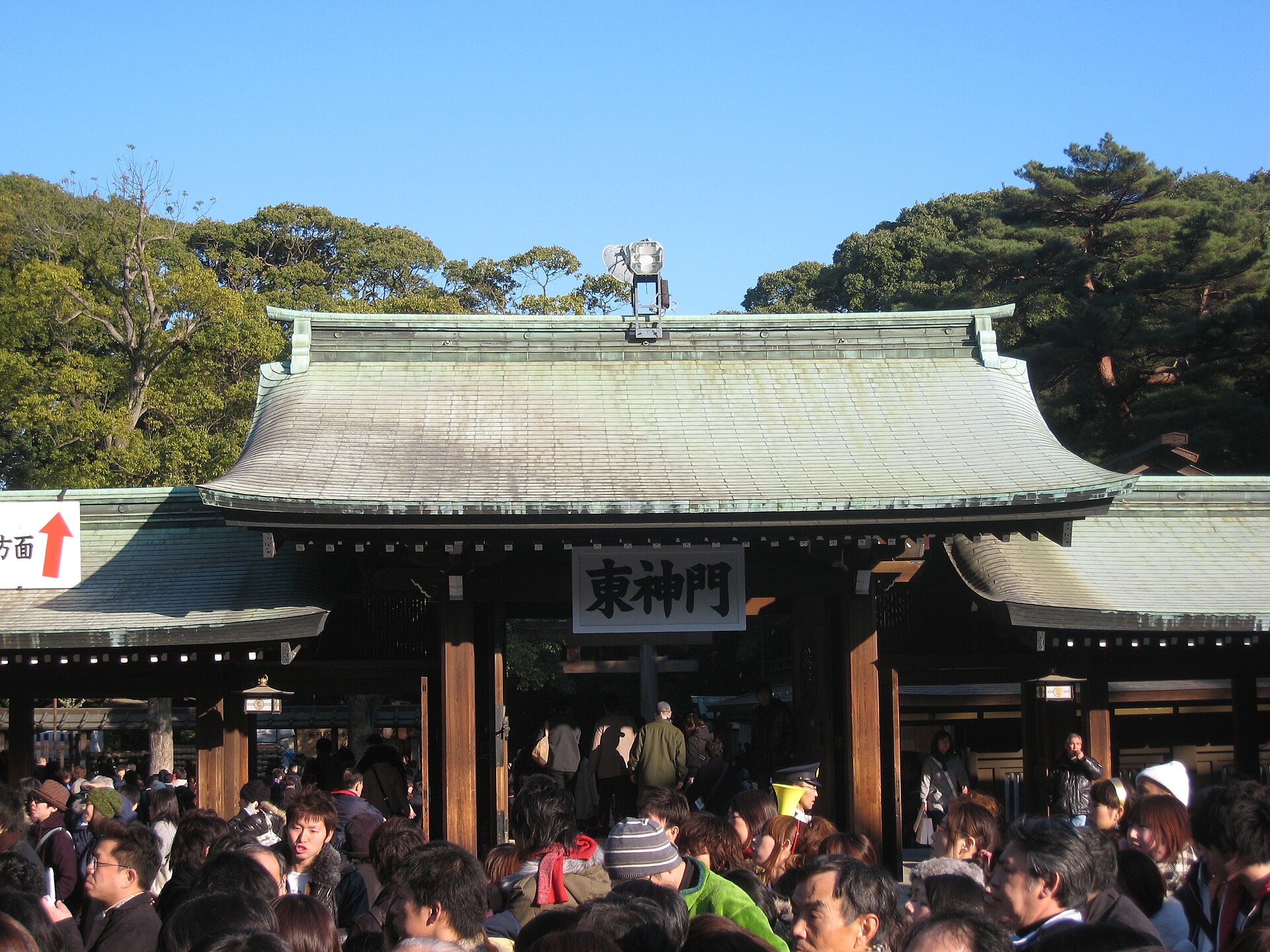
Enter Kairakuen through the Omotemon, the black front gate, to walk the route Nariaki intended, with its contrast of shade and light, before you reach the plum groves.

Hours
9:00–17:00 in festival season
Fee
Adults ¥230, children ¥120
Note
No tripods, no food inside
The domain school and its plum garden

03

KODOKAN

The domain school and its plum garden

Founded in 1841, Kodokan was the largest domain school in Japan, teaching everything from Confucian studies to medicine, astronomy and Dutch learning. Today it is a Special Historic Site.

More about The domain school and its plum garden

Kairakuen and Kodokan were planned as a pair: the school for study, the garden for rest. The main hall, the Shizendo and the main gate are Important Cultural Properties, and about 800 plum trees fill the grounds.

A stone stele here records Nariaki's thoughts on plum trees, which he valued as much for their fruit as for their flowers.

Hours
9:00–17:00 in festival season
Fee
Adults ¥420, children ¥210
From Mito Station
About 8 min on foot
UME The Lights and the Night Plum Festival

04

AT NIGHT

UME The Lights and the Night Plum Festival

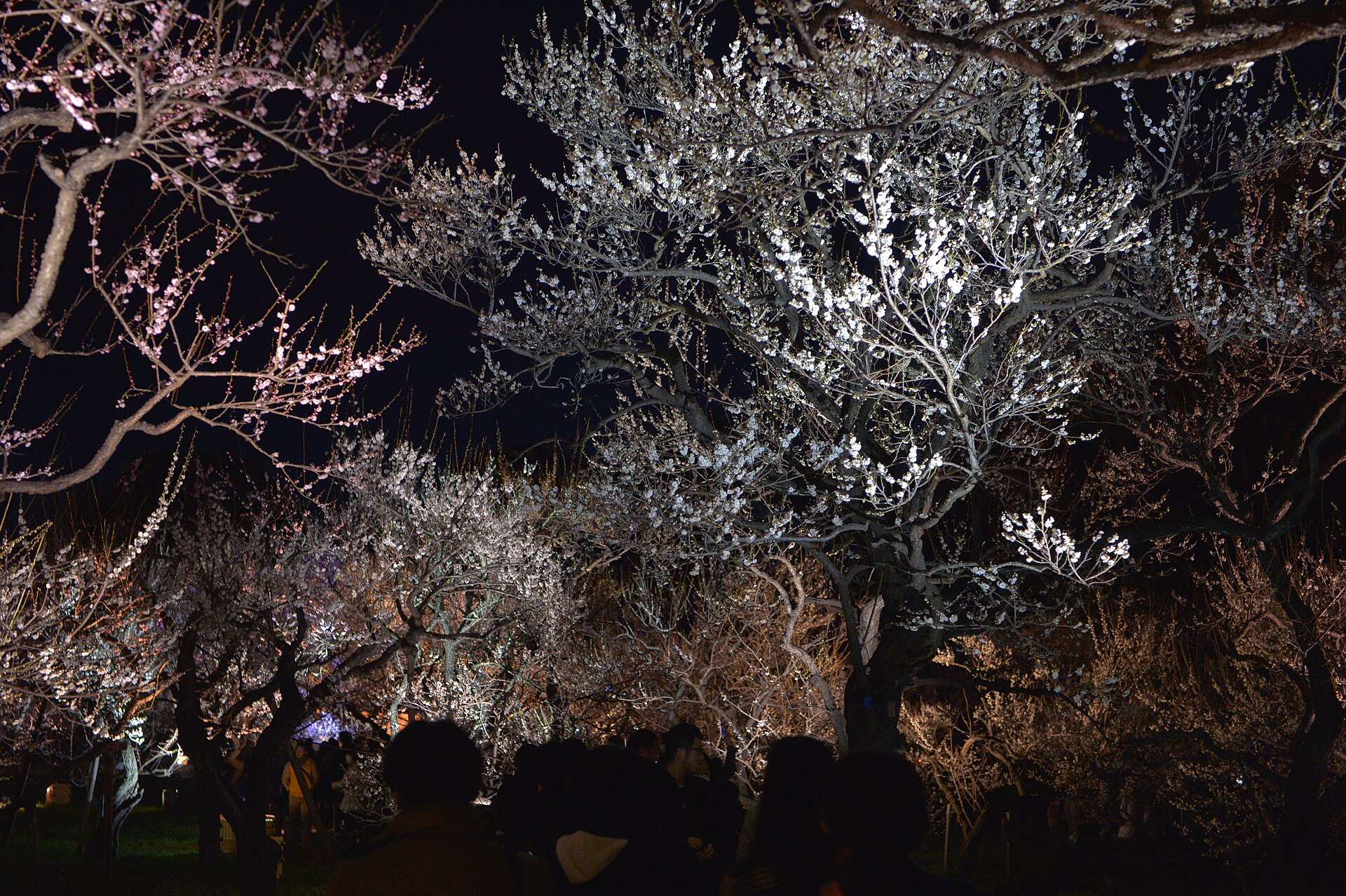
On weekend evenings Kairakuen reopens after dark with lighting through the plum groves. In 2027 UME The Lights runs from February 12 to March 15.

More about UME The Lights and the Night Plum Festival

UME The Lights is held on Fridays, Saturdays, Sundays and holidays, plus Monday, February 22, from 18:00 to 20:30 (last entry 20:00). It needs a separate ticket: ¥1,000 for adults on the day, ¥800 in advance. Advance sales start in January 2027. Daytime visitors have to leave at 17:00 and re-enter with the night ticket.

The festival also has a one-night Yoru-Ume-Sai (Night Plum Festival), first held in 2006. In 2026 it lit up Kodokan and the Mito Castle ruins on a Saturday in early March. The 2027 date has not been announced yet.

Dates
Feb 12–Mar 15, 2027 (Fri–Sun, holidays, Feb 22)
Time
18:00–20:30
Ticket
¥1,000 on the day, ¥800 in advance
SCHEDULE
ONE DAYA day trip from Tokyo4 stops
  1. MORNING

    Limited express to Mito

    Take the Hitachi or Tokiwa limited express on the JR Joban Line from Tokyo, Ueno or Shinagawa. It is about 70 minutes to Mito.

    WHERE
    JR Mito Station
  2. Kodokan

    LATE MORNING

    Kodokan

    Walk about 8 minutes from the north exit to the old domain school and its 800 plum trees.

    WHERE
    Kodokan
    Open in Google Maps →
  3. Kairakuen and Kobuntei

    AFTERNOON

    Kairakuen and Kobuntei

    Bus about 20 minutes from Mito Station's north exit. Enter by the Omotemon, find the six famous trees, then climb Kobuntei for the view over the groves.

    WHERE
    Kairakuen
    Open in Google Maps →
  4. UME The Lights (weekends)

    18:00

    UME The Lights (weekends)

    On weekend and holiday evenings until March 15, stay on for the illuminated garden. Night ticket required.

    WHERE
    Kairakuen

Festival dates, hours, fees and UME The Lights are from the Mito Tourism and Convention Association's 2027 page. Other events (the Night Plum Festival, open-air tea ceremonies, the plum wine festival) will be announced later, so check the official site before you go.

MITO UME MATSURI (PLUM BLOSSOM FESTIVAL) FOOD TOPIC

「Plums, natto and winter hot pot」!!

Mito is famous for two things beside the plums: natto and Ibaraki's winter seafood. The festival is also a good time to try plum wine.

01

\ Festival drink /

Umeshu (plum wine)

The festival includes a national plum wine fair at Tokiwa Shrine next to Kairakuen. In 2026 it offered more than 120 kinds to taste. The 2027 dates will be announced by the organisers.

02

\ Mito classic /

Natto

Fermented soybeans are the city's best-known food. Souvenir shops in and around Mito Station sell many local brands.

03

\ Winter only /

Anko nabe (anglerfish hot pot)

Ibaraki's signature winter dish, rich and warming. The season runs to about late March, so it overlaps with the plums.

Most food photos are from Wikimedia Commons; a few are AI-made illustrations. Hours and prices change, so check each restaurant before you go.

HOW TO ENJOY

01

Check the bloom

The festival site posts a bloom report. Early, mid and late varieties peak at different times.

02

Go early

Kairakuen opens at 6:00 in festival season. Mornings are calmer and the scent is strongest.

03

Warm layers

February in Mito is cold, especially if you stay for the evening illumination.

04

Cash and IC card

Have some cash for tickets and stalls, and an IC card for the bus.

ACCESS
From Tokyo
JR Joban Line limited express Hitachi or Tokiwa from Tokyo, Ueno or Shinagawa to Mito, about 70 minutes.
To Kairakuen
From Mito Station north exit, bus stop 4 (Ibaraki Kotsu) or stop 6 (Kantetsu), about 20 minutes. A seasonal Kairakuen temporary station may open; details are posted on the festival site.
To Kodokan
About 8 minutes on foot from Mito Station north exit, with some slopes.
Contact
Mito Tourism and Convention Association, tel 029-224-0441. Kairakuen Park Center, tel 029-244-5454.
GALLERY

Photos from Wikimedia Commons, taken in past years (see credits). Photos show the plum groves of Kairakuen, Kobuntei and Kodokan.

FAQ
When is the Mito Ume Matsuri 2027?

February 11 to March 22, 2027, at Kairakuen and Kodokan. It is the 131st festival.

When are the plums at their best?

It changes every year. Early varieties bloom from late January, mid-season ones from February to early March, and late ones through March. Check the bloom report on the festival site.

How much does it cost?

During the festival Kairakuen is ¥500 for adults and ¥250 for children, Kobuntei is ¥230 extra, and Kodokan is ¥420. UME The Lights at night is a separate ticket, ¥1,000 on the day.

Is the Night Plum Festival on in 2027?

The organisers say the date will be posted once decided. In 2026 it was held on a Saturday in early March at Kodokan and the Mito Castle ruins.

Can I do it as a day trip from Tokyo?

Yes. The limited express takes about 70 minutes, and both venues are easy to reach from Mito Station.

Sources: Mito Tourism and Convention Association: 131st Mito Ume Matsuri · Mito Ume Matsuri: events and fees · Mito Ume Matsuri: access · Mito Tourism: plum viewing guide (Rokumeiboku) · Mito Tourism: history of the plum festival · Mito Tourism: Kairakuen · Mito Tourism: Kodokan · Kairakuen official guide (hours and fees) · Ibaraki Prefecture: plum season 2026 · Ibaraki Prefecture: Side trip from Tokyo (travel times)

Stay for the festival.

Hotels around Mito Station are the easiest base. Mito is also an easy day trip: about 70 minutes from Tokyo by limited express.

PR This site contains affiliate links (Klook, KKday, Booking.com and others). We may earn a commission at no extra cost to you.
MORE FESTIVALS